
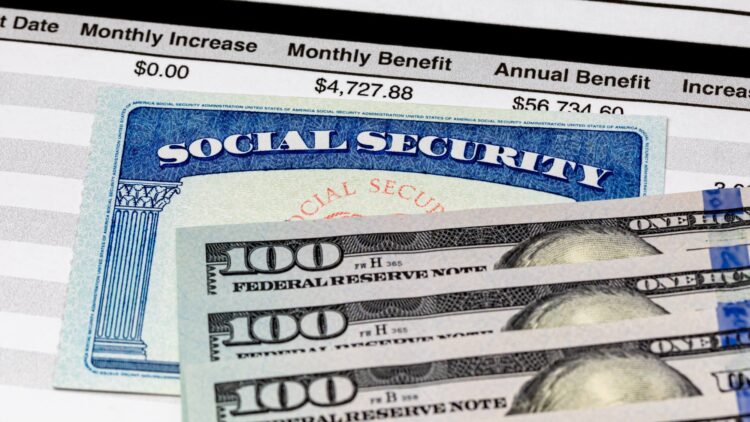
As a Social Security recipient, you might be affected by the Fairness Act, even if you haven’t heard of it yet. There will always be new rules and modifications, so you must keep up with them. Indeed, specific new legislation ideas might not be implemented, but they undoubtedly show the lawmakers’ intentions concerning the Social Security Administration (SSA) and its programs. Ultimately, you might spend time learning what they wish to alter and how they intend to do it. It is better to be as informed as possible because the Fairness Act may be rejected later, even if it is not adopted today.
What is the Fairness Act?
To properly explain the Fairness Act, we must first address a common misunderstanding concerning Social Security benefits, particularly among younger generations. Every piece of information they encounter relates to the various programs offered by this organization and the operation of the system, particularly when you’re studying the Survivors Program, Disability Insurance, or Retirement Insurance. You may not be familiar with them, but there are still other plans that can ensure a pension that is not taken into consideration by the Social Security System.
When individuals have a history of contributing to a system outside the SSA and the SSA, it raises concerns about retiring those less prevalent regions. What occurs in certain situations? In essence, they would profit from both programs, but the issue arises when you consider the Progressive Benefits Formula, which determines Social Security checks.
People must meet two conditions when they retire through the SSA system. The first requirement is that they must be at least 62 years old. The second is that they must have accrued at least 10 Social Security credits. The Social Security Tax, paid by deducting a portion of your monthly paycheck, is how you earn the Social Security Credits. Therefore, the size of your retirement fund will be determined by the contributions you made during your working years.
The SSA will take your payments, choose the top 35 years, and then adjust them for inflation to produce the Average Indexed Monthly Earnings (AIME) once the requirements above are met. They then determine your Primary Insurance Amount (PIA), which will be what you get upon retirement, using the Progressive Benefits Formula. The formula is progressive, as its name suggests, which is the issue. As a result, allocating a larger portion of the cash to their PIA helps individuals who have made lower contributions. According to the Progressive Benefits Formula, the beneficiary’s income has three bend points, each of which is represented by a percentage that is deducted from the total:
- 90% of the first $1,115 of the AIME.
- 32% between the $1,115 and $6,721.
- 15% above $6,721.
As you can see, a more significant percentage of your AIME is considered, and your income is lower. To solve this issue, the SSA created the Windfall Elimination Provision (WEP) and the Government Pension Offset (GPO). These provisions lower your benefits if you or the person you are receiving Social Security benefits from has contributed to the SSA and another pension plan. There is currently a bill called the Fairness Act that seeks to alter these metrics, which the House of Representatives just approved.
Who is going to be impacted by the Fairness Act?
The Fairness Act will benefit people who have held jobs that are not covered by the SSA, such as certain public school instructors, foreign employers, and railroad workers. Dependents of survivors whose departed contributors experienced this double contribution problem are also affected. In essence, the Fairness Act seeks to eliminate a restriction that unfairly disadvantages a tiny portion of the population compared to most Americans.