
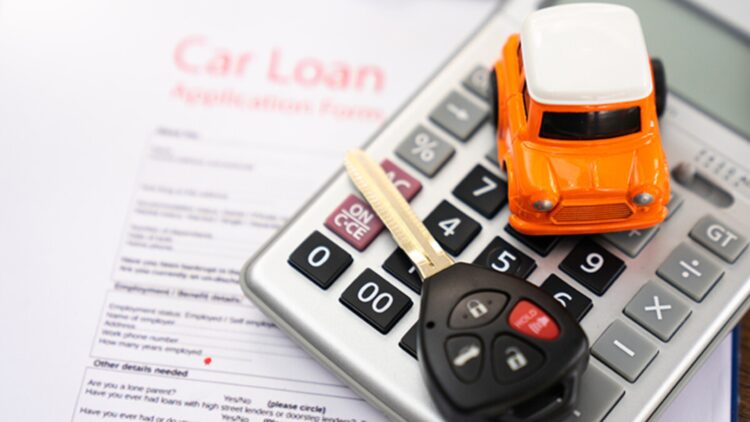
Delinquencies, like delaying or missing, on car loan payments, are increasing in the U.S. and this is worrying many experts, since it could be a bad sign for the economy. Even though at first glance the country’s situation seems okay (people keep buying, the stock market keeps going up, and businesses continue to invest), delinquencies on car loans show that many families are experiencing difficulties to feel relief at the end of the month. So, let’s learn more about what’s going on in the U.S.
Car loan payments
According to the Fitch Ratings agency, 6.43% of the subprime car loans (loans given to borrowers with low credit scores) have more than 60 days of payment delays. This figure is higher than in the past three recessions.
Normally, people in the U.S. prefer paying their car in advance over having a debt because a car is essential for many daily activities like: going to work, taking the kids to school, or doing groceries. This is why when delayed car loan payments are increasing, experts see this as a sign of the economy weakening.
More cars are repossessed
The increment of delinquencies has led to more cars repossessed. Currently, repossessions (when the banks or lenders take back cars because owners can’t make payments)are at the highest peak since the Great Recession of 2008-2009.
George Badeen, who runs Midwest Recovery and Adjustment in Detroit, told The Guardian that repossessions are surging, especially among people with subprime loans. This shows that many working families are economically suffering, even though the overall economy may look stable on the surface.
Importance of delinquencies
Economists consider car loan delinquencies are an early sign of economic issues. Professor Brett House, from the Columbia Business School, explained that when there are difficulties with the car loan payments it tends to be a warning that finances at homes are not going so well.
Low income people normally prioritize car loan payments over other debts, because without the vehicle they can’t go to work or do most of their daily activities. This is why if they start delaying those payments, it means their economic situation is already very complicated.
What’s more, when families spend less money it affects the entire U.S. economy, since consumer spending is what keeps it running.
Labor market under pressure
Another big worry is that the labor market could be weakened even more. If companies fire workers or reduce working hours, there will be more families with difficulties to pay their loans. Low- and middle-income households, which are the base of the U.S. economy, would be the most affected people.
Who keeps the economy going?
Today, consumers keep spending their money, but half of all that spending comes from the top 10% of income earners. The wealthier people can keep buying because their stock market investments have increased in value. But if the market drops, their spending could fall too, and that would slow down the economy.
What Federal Reserve might do
The Federal Reserve, which sets U.S. interest rates, may soon decide to lower rates to help ease financial pressure on families. Fed Chair Jerome Powell recently said that supporting the job market is now more important than continuing to fight inflation.
Lower interest rates would make loans a bit cheaper, which might help some Americans catch up on payments. But experts warn that the change won’t fix things right away, especially for families already deep in debt.
To sum up, when too many Americans can’t afford to drive, the whole economy could stall. Keeping an eye on delinquencies today might help prevent a much bigger crisis tomorrow.