
This kitchen appliance is damaging our health without us noticing! A scientific research, led by the University of Queensland, has shone a light on a not very visible, yet worrying issue: a kitchen appliance we use on a daily basis is more dangerous than we might think. This appliance might be releasing tiny residues that have serious effects on us, even though we can’t see them. This study shows how the frequent use of specific things to clean could be a polluting source with direct consequences for us and the environment.
We always heard about the dangers of leaving appliances plugged in, but the use of a specific one is worrying scientists and people don’t know why. So, let’s see what’s happening with this kitchen appliance and why it is so dangerous.
The kitchen appliance
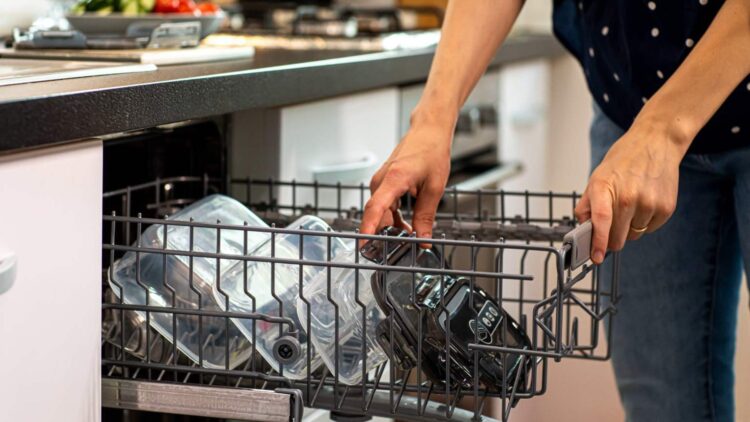
A recent data from a new research done by the University of Queensland, published in the scientific magazine ACS ES&T Water and shared by Phys.org, has shown the dangers of the use of the dishwasher. Cleaning plastic objects in the dishwasher could release microscopic particles of plastic (nanoplastics and microplastics), due to the high temperatures and friction during the cleaning cycle.
Just by using this appliance one time, it can release 920,000 particles of sewage. So, if this is frequently done every day, the figure can reach up to 33 million particles per house in a year!
What are these microplastics?
These are very tiny pieces of plastic which measure about 5 millimeters, so they can’t be seen by the human eye. They are considered to be dangerous because they don’t easily disappear, but they divide themselves into more tiny pieces which can be brought into contact with the environment. If these particles reach oceans, soil and food chain, animals and us will be affected.
Many studies have related the presence of microplastics inside human bodies to certain negative effects for our health, such as inflammations, hormonal disorders and cardiovascular diseases. So, I’m sure you will think twice when it comes to using the dishwasher.
Tips to reduce this issue
Of course dishwashers aren’t the main global source of microplastic, there are many other actions and appliances that increase the appearance of these particles. However, this appliance is a great example of how our daily routines at home have negative consequences that we are not conscious about. Cleaning our plates, glasses, cutlery, etc., in the dishwasher seems so harmless that nobody would think it would make us have a lot of tiny pieces of plastic inside our bodies. This is why experts suggest following some measures to reduce this negative impact:
- Installing filters that restrain these plastic particles before reaching sewage.
- Avoiding cleaning plastic objects by using the dishwasher, the best option would be to hand wash them with warm water to lower the chances of wearing and tearing.
- Substitute the use of plastic utensils in general for more sustainable materials like glass, wood or ceramic.
Now that we are so used to the comfort of not having to wash the utensils we use everyday by ourselves, we have to reduce the use of this appliance. It’s true we only need to avoid plastic objects and it’s for a good cause: Earth’s condition and our health. This might seem like a big deal, but we only have to change the materials we use and if we want to keep using plastic, hand wash them. Imagine if every person started to reduce the use of the dishwasher, the number of microplastics would lower so much! So, are you willing to contribute in a positive way to the environment and your health?