
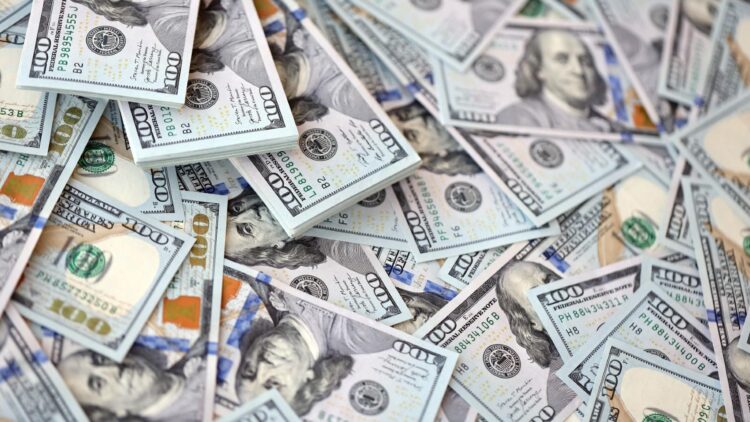
You might be surprised next time you use dollar bills when you go to pay for your groceries at the supermarket. In the U.S., authorities have made some important changes on cash rules and now some dollar bills could be rejected if they are in certain conditions. These changes don’t mean old bills lose value, instead the aim is to avoid frauds and falsifications.
Updating dollar bills is something frequently, the government releases new designs with more advanced safety measures to protect the currency. This is necessary because falsifications also improve their methods with modern technology. So, let’s learn more about these new dollar bills.
Dollar bills changes
In the U.S., there are several institutions in charge of maintaining safety of dollar bills: the Bureau of Engraving and Printing (BEP), the Federal Reserve, the U.S. Treasury, the Secret Service, and the Advanced Counterfeit Deterrence (ACD) Steering Committee.
They all work together to incorporate new technologies on dollar bills. Today, modern ones have elements such as these ones:
- Color-shifting ink, which changes color when you tilt the bill.
- Raised printing, which you can feel with your fingers.
- Security threads built into the paper.
- 3D security ribbons that move when you tilt the note.
- Microprinting, which is tiny text that’s almost impossible to copy.
All of this helps people to trust on the money they use and avoid criminals making fake copies.
What types of dollar bills won’t be accepted
When new versions of bills are released, the old ones usually stay valid. Every year, the Mutilated Currency Division of the BEP receives more than 22,000 requests of people asking whether their broken or damaged dollar bills are still worth it.
Recently, the Bureau of Engraving and Printing explained very clearly that dollar bills are considered irredeemable, meaning they can’t be accepted at stores, supermarkets, nor ATMs. So, to have a clear idea of which dollar bills won’t be accepted, here is a list so you can check it out:
- Bills that have fire damage or are burned.
- Bills that have been torn into pieces or fragmented.
- Bills that are so damaged they can’t be recognized, such as those missing large sections or with faded printing.
Another big change is coming in 2026, when the $10 bill will include tactile features to help blind and visually impaired people recognize it by touch. This marks an important step toward making money more accessible and inclusive for everyone.
The future of cash
Even as the world moves toward digital payments and contactless cards, the paper dollar remains a powerful symbol of trust and value. Every crease, mark, and ink line on a bill represents a long history of trade, progress, and innovation in the U.S.
With all these changes the government looks for keeping the trust in dollar bills and, at the same time, adapt to technological advances. However, every time more businesses are adopting cash-free paying methods, which means some stores could stop accepting cash.
So…
Dollar bills will continue existing and doing their function, but the most important thing you can do is to check your dollar bills before using them, make sure they are in good condition and you know the rules that determine which ones can be accepted and which ones can’t.
Have you ever experienced paying with a fake dollar bill? If you have, you know it’s not a nice situation and this is what the government is trying to avoid. Let’s hope these people who make fake bills have it more difficult with the passage of time. Do you think this change will be a solution for this issue or not?