
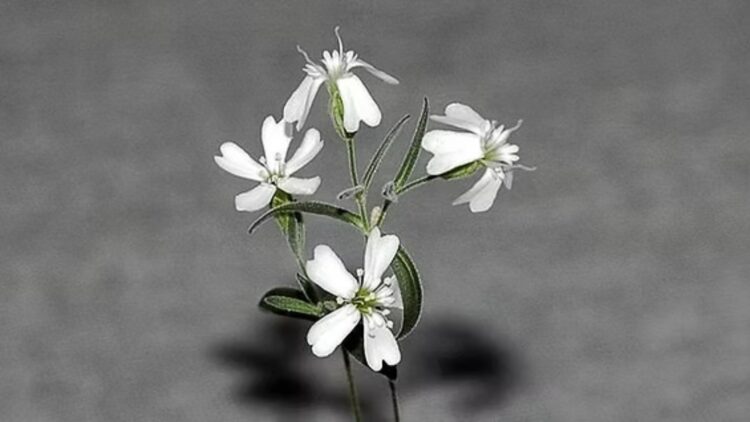
Do you think it’s possible to revive an extinct plant? Well, let me tell you it is. Scientists were able to do this, but they didn’t revive any plant, it was one that was extinct for about 32,000 years. Exactly, it’s crazy, right? A species that disappeared in the Ice Age, now is back thanks to a unique finding in Siberia.
We have heard about species thought to be extinct, suddenly appearing somewhere. However, this case is more like science doing magic, what seemed to be impossible it’s become a reality in the labs. So, let’s find out more about this extinct plant.
Finding in the permafrost
Everything started in 2007, when a group of researchers found some ancient seeds in Siberia, but not anywhere: inside the burrow of an Arctic round squirrel, buried 38 meters deep and frozen in the permafrost by the Kolyma river.
When scientists analyzed the seeds with radiocarbon dating, they found they were 31,800 years old. As you can imagine, this was a truly biological treasure because they were very well preserved, so scientists could try and revive them.
They had some issues with the seeds
At the beginning, scientists tried to grow the seed directly in the ground, but nothing happened because the seeds were too old and didn’t germinate. So, they decided to try another option: take special tissue from immature fruits, called placental tissue, and grow it in a lab using in vitro methods.
The result was amazing since they could clone 36 identical plants of a known species : the Silene stenophylla.
An extinct plant that came back to life
Revived plants grew very strong, produced healthy white flowers, and generated new seeds. But do you know what’s the most striking thing about all of this? The new seeds had a 100% success when germinating.
Of course, there’s an important difference between the ancient plants and the current ones. Scientists noticed the revived plants had longer and wider petals than current versions of the Silene stenophylla.
What does this mean? Well, this suggests that Ice Age plants had different features, possibly an adaptation to the harsh, cold conditions of the past.
Importance of this discovery
Reviving this extinct plant is not just a scientific curiosity, it also shows us valuable things such as:
- Life can last thousands of years: the permafrost worked as a ‘’time capsule’’ that preserved the seeds for about 32,000 years.
- We can study the past: reviving this extinct plant gives us clues on how Ice Age ecosystems were.
- Opens new doors: if scientists could bring an extinct plant back to life, what else could they revive in the future?
What about reviving other extinct species?
Of course, now that we know reviving extinct species is possible, we can fantasize about bringing other species back to life that disappeared because of humans. However, scientists explain that reviving animals is way more difficult than plants. Why? Because vegetal seeds and tissues are easier to preserve and regenerate whereas animals have more complex systems.
But, this discovery is a sign that science keeps advancing and making progress. Thanks to scientists’ patience and work, we can now see this extinct plant bloom again, find more about the past, and also think about the future. It’s true they have already explained that it’s very difficult to revive animals, but it must have been difficult too in the beginning with plants.
Science never stops surprising us and doing things we thought we would only see in movies. What other extinct species do you think could come back to life with the help of science?