
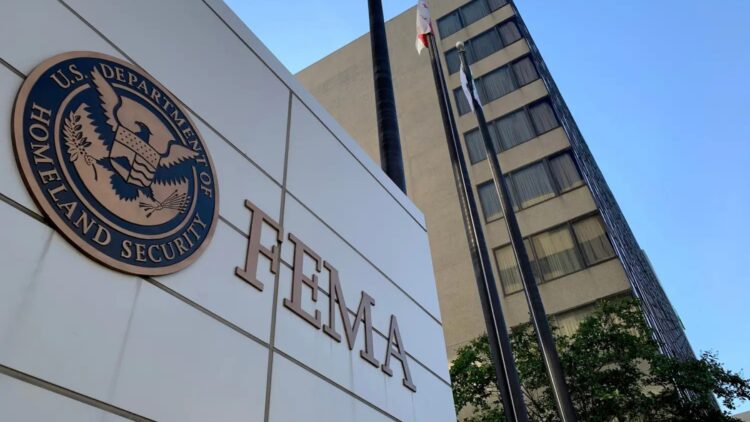
FEMA could be in danger. Yes, the agency responsible for responding when natural disasters strike our country (and unfortunately, there are quite a few) is about to face one of the biggest budget cuts in its history. And of course, this is going to compromise how it can respond to future crises. And it’s happening right at the start of hurricane season.
What is FEMA?
Let’s get some context. FEMA is the Federal Emergency Management Agency, the agency that steps in when natural disasters occur. Its job is to help affected people, whether by providing money to rebuild homes, offering temporary shelters, or coordinating emergency response. Basically, when everything falls apart, they’re there so people aren’t left alone in the face of catastrophe. Or at least, that’s the idea…
Why could FEMA disappear?
The plan is to cut FEMA’s funding, probably seen as one of those “non-essential expenses”, and it has been pushed by the U.S. Congress itself. Although this cut would still need legislative approval, the agency has already lost 25% of its operational staff, which has affected its emergency response capabilities.
State and local dependency increases
With less federal support, more responsibility falls on local governments… and on the citizens themselves who suffer the consequences of these disasters. FEMA does more than issue alerts. It runs community programs that even help neighbors prepare to act in an emergency. If we remove that citizen preparedness, the consequences will be catastrophic.
Global warming isn’t helping
The warning about the cuts comes at the worst possible time. The National Oceanic and Atmospheric Administration (NOAA) has forecast up to 19 named storms for this hurricane season, which is expected to last through November. And it’s no coincidence: climate change is intensifying extreme weather events, making fires, floods, droughts, and storms more frequent, more destructive, and more expensive.
An electric grid already at its limit
Another sensitive issue: the power grid. If FEMA steps back, utility companies would have to take on more costs to repair damages after a disaster. The likely result? Those costs end up on the consumer’s bill. And in a country where many infrastructures are already stretched thin, that’s a ticking time bomb.
Rural areas hit the hardest
Small and rural communities are already the ones who usually receive help the slowest. Without FEMA, they could be left without electricity for days or weeks after a hurricane or wildfire. And that delay can put thousands of lives, livelihoods, and safety at risk.
Solar energy: a shield in times of crisis
That’s right, it’s one of the best options available: installing solar energy at home with battery systems to ensure at least some power supply in a crisis.
The sun, besides being free, doesn’t pollute. Choosing solar means saving compared to gas, oil, or coal, and also breaking the cycle we’re stuck in: disaster, rebuilding, disaster again.
What can you do to prepare?
FEMA hasn’t disappeared yet. Congress has the final say, but that doesn’t mean you can’t do anything for the moment. You can call your representatives, make your opinion clear, and vote for those who support strong civil protection and real policies to tackle the climate crisis (it is just an idea, huh). And if you’ve been thinking about switching to solar energy, now might be the time, before subsidies disappear.
There’s still time to act
If FEMA is weakened, the country will have to rethink how to respond to disasters. But it’s also a chance to do things better: modernize the grid, invest in clean technology, and gain energy independence. Not all is lost, but it’s better if you prepare too.