
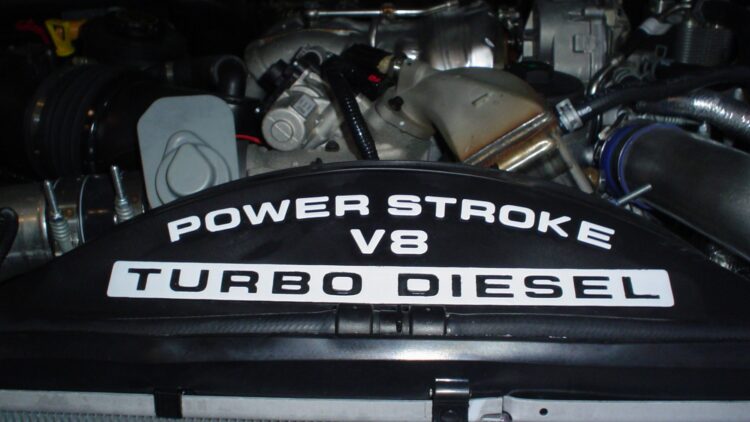
Ford 6.7 Power Stroke: it probably rings a bell. This engine sounds like a beast, and in many ways. The Ford 6.7 Power Stroke is one of the most powerful diesel engines you can find in the U.S., with more than enough strength to tow up to 18,000 kg without breaking a sweat, wow. But it’s not all muscle. Its track record is far from perfect, and there are a few specific years that brought more headaches than joy. Literally, thousands of owners ended up paying repair bills that hurt just reading them.
If you’re thinking about getting a vehicle with this engine, or you already have one, here’s everything you need to know!
What’s special about this engine?
We’re talking about a turbocharged diesel V8 with up to 500 horsepower and 1,200 lb-ft of torque. It has reverse-flow cylinder heads, a compacted iron block, and a high-pressure Bosch injection system. It came out in 2011 and was the first Power Stroke designed by Ford, although with help from AVL, an Austrian firm. So yeah, they wanted to make it all in-house… and that showed, for better and for worse.
2011: the cursed year
The biggest problem in the first year was the failure of the exhaust valves. In units made before March 2011, these valves could crack from the heat. The result? The engine is done for with no warning. And when I say no warning, I mean it: not a single light, no beep. You’re driving and suddenly, goodbye.
The CP4.2 pump, the biggest headache
Another classic complaint is the Bosch CP4.2 injection pump. It has a design flaw: metal rubs against metal and that creates shavings that end up destroying the entire injection system. The cost? More than $10,000 in repairs, according to users on forums like PowerStroke.org. And yes, it happens more often than it should.
Did it improve between 2012 and 2014? More or less
Even though some things were improved during those years, the problems continued. The EGR system (the one that recirculates exhaust gases to reduce emissions) tended to get clogged with soot buildup. Result: loss of performance and, in extreme cases, overheating.
And then there’s the turbo. The one this generation used was too small for the engine’s power. What happened? It was overworked, overheated too much and ended up frying the ceramic bearings.
Breakdowns… nonstop
To this, you can add NOx sensors that failed, coolant leaks and a ton of small issues that, even if they’re not catastrophic on their own, still take their toll. Literally.
And the newer models?
Ford has been fixing many of these issues over the years. Starting in 2015, the 6.7 Power Stroke is much more reliable. But heads up: the CP4 pump still causes trouble in some cases. It’s not something you can overlook, even if you’re looking at recent models.
So, is it worth it?
Depends on the year. If you can avoid the 2011 to 2014 models, do it. Seriously. You’ll save yourself a lot of headaches and, with luck, a five-digit repair bill. If you already have one of those years in your sights, check the maintenance history carefully and make sure the key updates were done.
And if you’re still unsure, ask a mechanic who knows this engine well. Sometimes, asking on time is what separates a smart purchase from a money pit.