
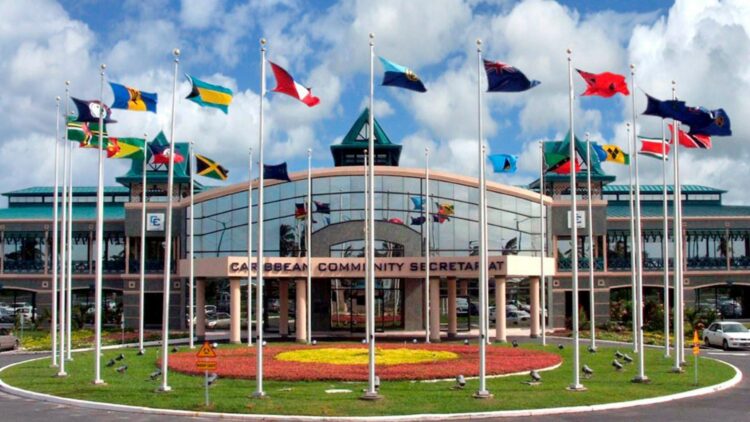
Four Caricom countries have decided they no longer want migration problems and have chosen to open their doors to each other for the first time in history. What does this mean? From now on, their citizens will be able to move, study, work or even retire in any of these countries. As if they all belonged to the same country, with no need for visas or permits.
Barbados, Belize, Dominica and Saint Vincent and the Grenadines are the four countries where any citizen who wishes to can get a stamp and, with that, gain the right to indefinite residence. Simple, with the goal of reducing bureaucracy between them, because it’s not just about being able to stay in another country, but about accessing their services (like education and healthcare) as if they were at home, something that wasn’t guaranteed before.
Before and after
Until now, moving within Caricom (the organization of Caribbean countries) was only possible for economic reasons. If you were a qualified worker and got a job in another member country, you could move without a work permit. But if you wanted to relocate for personal reasons (visiting your partner, retiring on another island, studying or simply living somewhere else for a while), you could only stay in the country for six months and without the right to work. So you had to do the “trick” of leaving and coming back if you wanted to stay longer.
Now the new agreement removes these restrictions (only for citizens of these four countries). It doesn’t matter if you move for love, for adventure or simply because you want a change of scenery, you’ll be able to stay there without a required return date.
“If you can move for work, but your spouse or children cannot access education or medical care, the right is empty” – Ralph Gonsalves (Prime Minister of Saint Vincent and the Grenadines)
This is how they want mobility to go beyond work, to make it comprehensive, for everyone and at all stages of life. And we love the idea.
Security and control
Obviously, opening borders in this way also raises concerns, especially knowing that some of these islands have serious problems with organized crime. Governments didn’t want this new freedom to allow these groups to travel and settle freely in other countries, so of course, they have proposed measures to safeguard national security.
“Any government will be able to deny entry to a person who poses a real threat to national security” – Mia Mottley, Prime Minister of Barbados.
New verification systems and security filters will be quite strict to protect and secure the borders without stopping legitimate movement of citizens. Complicated but necessary, especially when dealing with organized groups at this level.
A united Caribbean
Back in 2022, Caricom approved a protocol that allowed three of these countries to create specific mobility agreements. The rest weren’t ready yet, but this was the measure that triggered the agreement we’re talking about now.
And take note, because other countries also want to participate. Jamaica, for example, has expressed interest in joining, although it hasn’t set a date yet. Within the Organization of Eastern Caribbean States, a similar “soft borders” system had already been discussed, and now it’s a reality.
Will it have an economic impact?
Of course. This agreement could transform the region in many ways. By removing barriers to relocation, it makes it easier for talent to flow, for people from countries with fewer opportunities to move to more dynamic markets, and for sectors like education, healthcare or tourism to benefit from professionals and students moving freely.
And let’s be honest, this strengthens the sense of community (something that already exists naturally in the Caribbean). They share music, culture, language and many traditions that have been separated by bureaucracy, so now they are closer than ever to a “borderless Caribbean”
A new stage
It’s a bet on regional integration, politically, economically and culturally. There will be challenges (coordination on security, managing public services…), but the first step has already been taken. In a few years, we’ll see how this option has been able to offer more opportunities to millions of people.