
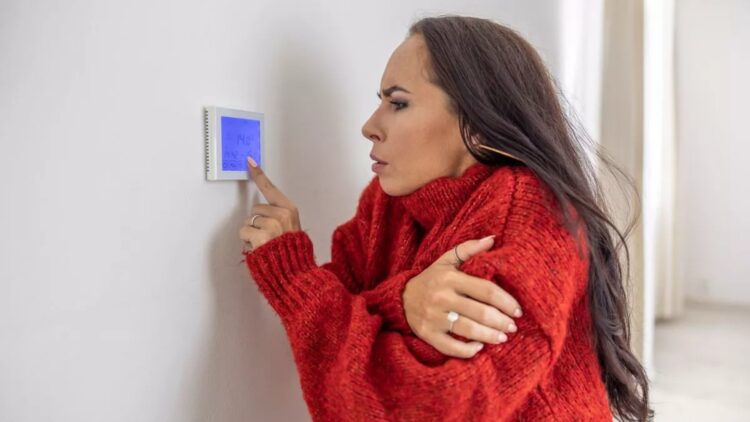
What do most people worry about winter? Heating bills. With the arrival of the cold snap, most families are paying more expensive bills. If you have ever wondered why this happens and what you could do to avoid this, we are here to help you. So, let’s learn how we can avoid those high energy prices.
Heating bills
Heating bills are increasing and they will go up during the following months affecting millions of households. According to data from the National Energy Assistance Directors Association (NEADA), the average cost of heating a home this winter is expected to rise by about 8.7%.
This means that, on average, households will spend around $941 on heating during the winter season. This is a noticeable increase compared to previous years and is affecting millions of Americans.
One major reason for this increase is a period of extreme cold, often called a “cold snap,” especially in the Midwest and Northeast regions of the United States. These areas have already experienced a major winter storm that caused travel problems, power outages, and even resulted in at least four deaths. When temperatures drop sharply, people need to use their heating systems more, which leads to higher energy use and higher bills.
Who pays more?
People using electric heating to warm their homes are the ones paying more. For these households, heating bills may increase up to 14.2%, which means the average cost could reach $1,189 this winter.
Last year, those same types of households paid about $1,040, so the increment is $149. For many families this difference is difficult to pay since many families are still recovering from very high energy costs during the summer. According to NEADA, Americans spent an average of $784 on air conditioning last summer. This was the highest summer average in 12 years and represented a 6.2% increase compared to the previous year.
Paying all year round
NEADA’s executive director explained that families are “getting hit on both sides.” This means they had to deal with record-high electric bills during the summer due to extreme heat, and now they are facing higher bills again during the winter.
Due to this situation many people barely finished paying their summer bills before winter bills started arriving. As a result, more families are falling behind on payments.
Government help
There’s a federal program called Low Income Home Energy Assistance Program (LIHEAP), which helps low-income people pay their energy bills. In September, the government sent about $3.7billion to this program to help during winter. However, this amount is more than $2 billion less than what officials said was needed to return funding to 2023 levels.
Because of limited funding, LIHEAP cannot help everyone who needs assistance. According to NEADA, about 80% of LIHEAP funds are used for winter heating costs, while 20% go toward summer cooling.
Growing debts
NEADA warns that if this aid is not increased, many household debts will be higher. So, this would lead to more people falling behind on their bills, facing power shutoffs, or being forced to make very difficult choices.
Sadly, some families may have to choose between paying their energy bills or paying for food, medicine, and other basic needs. Current estimates show that one in six households is already late on energy bills.
In the past year alone, total unpaid utility debt has increased by 30%, reaching more than $21 billion as of September.
How to reduce energy use
If you want to reduce energy use, here is advice from the Energy Department on how to lower energy bills:
- Sealing gaps around doors and windows.
- Moving thermostats away from drafts or direct sunlight.
- Using cold water instead of warm water when washing clothes.
So, you should follow these tips and get informed about any help you can receive from the goverment if you don’t want to pay very expensive heating bills.