
On October 1, 2025, everything changed for electric and hybrid vehicle drivers in the United States. Priority is over for them. Two of the most important incentives have officially come to an end. On one hand, the federal tax credit of up to 7,500 dollars for new cars and 4,000 for used ones has disappeared. On the other, California has put an end to the program that allowed single-occupant vehicles to use HOV lanes.
A double change that affects hundreds of thousands of drivers in the state with the highest traffic flow (and the largest number of electric vehicles). Is this the end of the electric market from now on?
Goodbye to the tax credit
The New Clean Vehicle Credit, managed by the IRS, was one of the pillars that boosted electric vehicle purchases. By buying an electric car, you could deduct up to 7,500 dollars for a new model and 4,000 for a used one, as long as they met the manufacturing and price requirements. Obviously, this made many drivers choose an electric vehicle over a traditional combustion one.
The last day of this credit was September 30, and the only ones who benefited were those who signed a binding contract or made a prior payment before the deadline. From now on, there will be no federal financial support, and it is believed that this will cool down electric vehicle sales, right when the country needs to accelerate the energy transition.
For many families, that tax credit was the push that made it possible to buy an electric car instead of a combustion one, still cheaper at the entry price, and now it’s gone.
End of HOV lanes
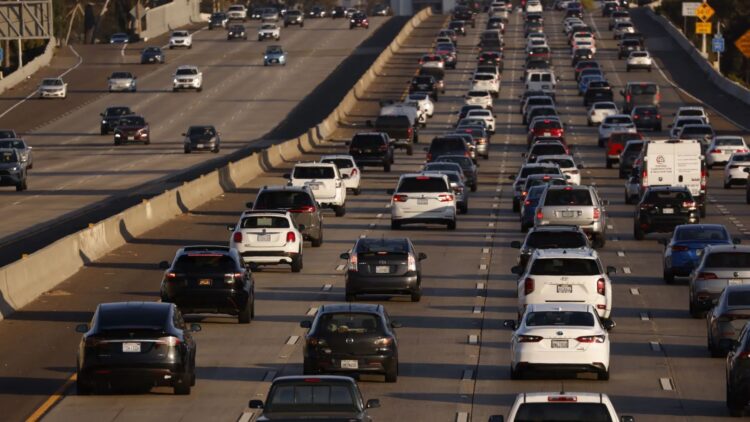
It’s not that these lanes are closing, but California has ended the “Clean Air Vehicle” sticker program, in effect since 2011, which allowed electric and hybrid drivers to use high-occupancy lanes without passengers.
This also ended on September 30, and now electric vehicle owners will not be able to drive in these lanes (even if they have the sticker), because they will have to comply with occupancy rules like any other vehicle, and beware because breaking this rule will have consequences.
A stick in the wheel
That is literally what the end of these two benefits means: putting a stick in the wheel of the energy transition. The world needs change, the United States was changing, and these incentives gave drivers one more reason to switch to electric vehicles. Now that these incentives are gone, it may be harder to convince drivers that the future is plug-in.
A new chapter on California’s roads
This doesn’t mean electric mobility will stop, but it does change how vehicles will be sold. There are no longer federal incentives or road advantages. What will now lead users to choose an electric vehicle over a gasoline one? They will have to keep looking for plans and strategies to catch drivers’ attention if California wants to remain a leader in green mobility. Otherwise, the likelihood of drivers going back to combustion and the state regressing is quite real.