
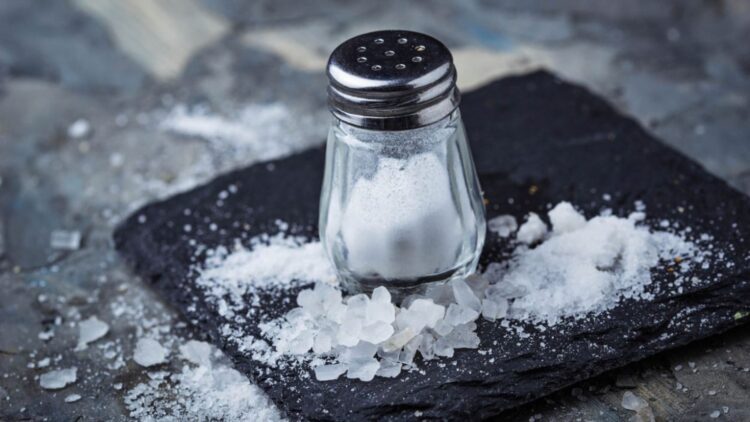
High blood pressure is one of the biggest health challenges in Australia. About one in three adults lives with hypertension, which greatly increases the risk of heart attacks and strokes. For decades, doctors have asked people to reduce their salt intake. But let’s be honest — changing the way you cook, season meals, or shop at the supermarket is not easy.
Now, new research shows there is a simple solution that could help millions of people in Australia. Instead of avoiding salt completely, the answer is to switch to potassium-enriched salt. So, let’s find out more about this.
Australia worries about high blood pressure
Hypertension is often called the “silent killer” because people usually don’t notice symptoms until a serious event happens, like a stroke or heart attack. In Australia, thousands of hospital admissions each year are linked to uncontrolled blood pressure.
Regular salt is high in sodium, a major driver of high blood pressure. While lowering sodium is essential, most Australians still consume much more than the safe limit. Potassium-enriched salt offers an easy way to make a healthier switch.
What is potassium-enriched salt?
Potassium-enriched salt looks and tastes almost the same as normal table salt. The key difference is that part of the sodium chloride is replaced with potassium chloride. This simple change makes a big impact:
- It lowers sodium intake, helping to reduce blood pressure.
- It raises potassium intake, which further protects the heart.
Many Australians don’t eat enough fruits and vegetables, the natural source of potassium. Using this salt helps close the gap.
Have this in mind
Potassium-enriched salt is safe for most people except for those with serious kidney disease, who need to avoid excess potassium. These patients already receive medical advice to limit both salt and high-potassium foods. This doesn’t mean they can’t consume it at all, clinical studies showed that with proper medical guidance there are no harmful effects.
Recommendations from Experts
Health researchers now recommend clear guidance for both patients and the general public:
- Strong recommendation for patients with hypertension: Potassium-enriched salt (about 75% sodium chloride and 25% potassium chloride) should be advised for all patients with high blood pressure, unless they have advanced kidney disease, are taking potassium supplements, use potassium-sparing diuretics, or have another medical reason not to.
- Conditional recommendation for the general population: If people add salt to foods, potassium-enriched salt (same 75/25 ratio) can be recommended for the general population in areas where there is a low chance that people with advanced kidney disease (stage 4–5) will go undiagnosed. Product labels can include warnings about contraindications.
These guidelines could make a real difference if adopted widely in Australia.
Barriers in Australia
Why isn’t potassium-enriched salt everywhere in Australia? Well, there are three main reasons for this situation:
- Awareness: Many Australians don’t know it exists.
- Availability: In Australia, just a handful of brands are sold, and they’re often placed out of sight on lower shelves or in specialty sections.
- Price: It costs more than regular salt, though less than many “gourmet” salts.
For example, a 2021 review showed potassium-enriched salt was sold in just 47 countries, mostly richer ones, with prices ranging from the same as regular salt to 15 times higher.
Looking ahead in Australia
Public health experts believe this simple diet change could be as transformative as adding iodine to salt in the 20th century. Iodized salt prevented millions of cases of goitre and improved child development worldwide.
Now, Australia has the chance to lead a similar health revolution, one that lowers blood pressure, reduces strokes and heart attacks, and saves lives with something as simple as a pinch of salt. Now that you know this, will you start using iodized salt in your everyday life? Remember: use it always with medical guidance.