
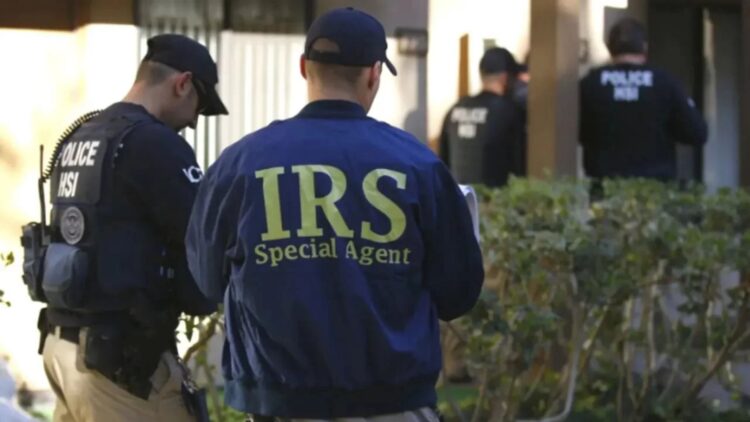
Changes are coming to the IRS, and they are going to start making visits to the homes of taxpayers who have some unresolved tax issue… Yes, they can knock on your door to ask you for answers. The idea that a federal agent can show up at your door to talk about taxes, debts or forms that were never sent… is not exactly reassuring, right?
According to the agency itself, these visits can happen even if the person did not respond to the famous Letter 725-B (the prior notice the IRS sends). So ignoring the letter does not make the problem disappear… But of course, why would they come to your house? What exactly do they do during the visit? How do I know the agent is real? Can they fine me right there? Many doubts that we will try to clear up.
The IRS visiting
They will not go to your home “just in case”, but only when there is a clear history of noncompliance (some notifications you have ignored maybe, friend).
Letter 725-B
Before anyone knocks on your door, the IRS sends Letter 725-B. It is their diplomatic way of saying “We need to talk”. But if you do not respond, nothing happens… for them. The visit will still take place, the letter is only a notice that a review is coming. Playing dumb does not work, we are adults and some excuses no longer count, darling.
What do they want to resolve during the visit?
They are not going to search your house nor ask you for a coffee to know about your life, they have three clear objectives in each visit, they want to talk about unfiled returns, request missing documents, clarify inconsistencies and clarify a payment plan (if you owe money, of course).
Many taxpayers, in fact, receive very specific indications from the agent so that they have their papers ready beforehand, know what steps will be followed and know how to avoid bigger penalties.
How to recognize an IRS agent
It is clear that many fear scams with this new news, but the reality is that whoever comes to your house saying they belong to the IRS must show their official IRS credential, the HSPD-12 card, with photo and serial number. If they do not show you that, do not trust or open because they are not an agent, there is not much more mystery. Anyway, if it seems strange, call emergency services and confirm the identity, it is your house and your information.
And if one day the IRS knocks on your door?
Breathe, nothing happens. Ask to see the agent’s identification, check that their information matches the letter you received. Ask all the questions you need, write down the documents they request and always ask for official options and in writing so there is no misunderstanding.
You are not required to hand over money right then, nor to let them enter beyond what is necessary. The IRS never asks for payments in gift cards, cryptocurrencies or strange methods.
Why so much commotion?
Because it is not common for federal agents to visit homes. And because it mixes taxes, in person visits, credentials… elements that cause a lot of nerves just by mentioning them, but remember that these are not massive visits, they are not going to come to your house if you have all payments up to date.
How to prevent the IRS from having to visit you?
- File your returns on time.
- Respond to letters, especially 725-B.
- Do not ignore notices.
- If you owe money, request an official payment plan.