
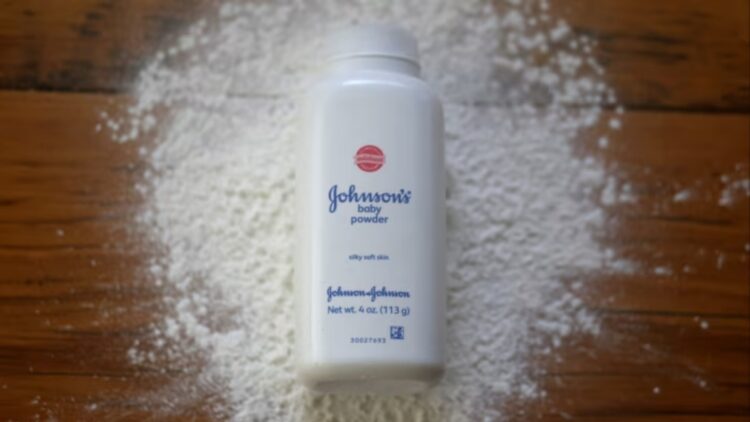
For many years, Johnson & Johnson was one of the most loved and reliable brands in the world. Its famous baby powder was a product that many families used daily, it represented caring, cleanliness, and comfort. However, with the passage of time, something shocking was discovered: the comapny’s talc could contain asbestos, which is a very dangerous substance that can cause cancer.
The story we are going to tell you started more than 20 years ago, and became one of the biggest corporate scandals in modern history. So, let’s learn more about this story.
Darlene Coker
In 1999, Darlene Coker, a woman from Texas, was diagnosed with mesothelioma (a rare and deadly type of cancer) and it tends to appear when in contact with asbestos. This is a mineral that was used a lot in fabrics and constructions, but one day it was discovered it was highly toxic. The thing is that Darlene never worked at places where she could have been near that substance, so her lawyer did some research and found out that Johnson & Johnson’s baby power, which she had used her entire life, could be related to it.
Talc and asbestos are found many times in nature together, so if talc is not completely cleaned it can have small asbestos fibers inside it. These fibers are invisible, but when inhaled or inside the body, they can cause serious diseases many years later.
Having in mind this information, Darlene decided to sue the company arguing the company sold a toxic product. However, Johnson & Johnson denied everything and didn’t hand over any documents that could be used as evidence. Because of this, the case was dismissed, and later Darlene sadly passed away without knowing the truth.
Johnson & Johnson’s documents
Years later, some documents of the company became public and changed everything. These documents showed that Johnson & Johnson knew, from 1971 until the 2000s, that its baby powder contained small amounts of asbestos. Despite this, it never informed the people or the authorities. Even lab documents from 1957 already showed that some of its suppliers had detected small amounts of this toxic substance in the talc.
In 1976, the company confirmed to the U.S. Food and Drugs Administration (FDA) that its talc didn’t contain asbestos, although at least 3 independent labs had found contamination in that same period. Johnson & Johnson said that its analyses were more precise, but its tests didn’t detect every dangerous particle.
According to the World Health Organization (WHO), there doesn’t exist a safe amount of asbestos exposure. Even a tiny amount can stay in the body for decades and cause cancer. So, many people who used that talc on a daily basis think that’s what made them sick.
Lawsuits and court battles
After these documents went public, thousands of people started a lawsuit against Johnson & Johnson. Most of the cases were filed by women who developed ovarian cancer or mesothelioma. The cases happened in several states like: California, New Jersey, and Missouri. In some of them, judges made the company pay millions of dollars to the victims as compensation. One of the most important cases was in St. Louis, where the jury awarded more than $4 billion to 22 women.
However, the company also won some cases, and some verdicts were reduced or overturned on appeal. The company still insists that its baby powder is safe, does not contain asbestos, and that the accusations are based on “junk science” or misinterpreted evidence.
Its lawyers argue that the contaminated samples came from industrial or old products, not from their cosmetic baby powder. They also say some tests showed false positives due to contamination during analysis.
Health, science, and responsibility
The story of Johnson & Johnson’s baby powder shows how powerful companies can sometimes hide important information to protect their profits. It also reminds us that even products that seem harmless — like baby powder — can have hidden dangers.