
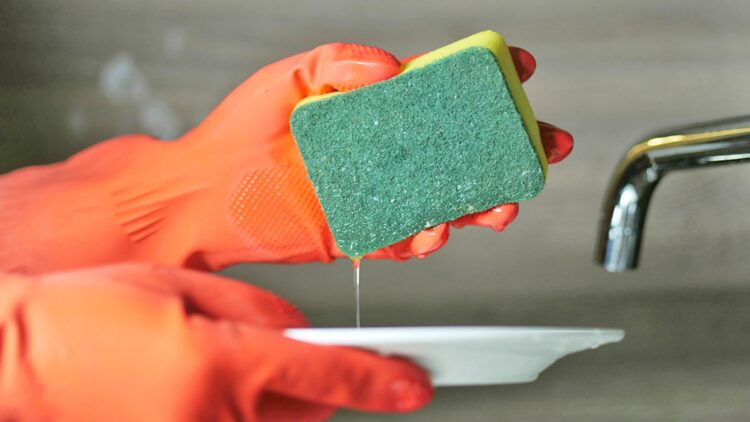
Most of us have used sponges at home. I mean, they’re one of the simplest tools for cleaning, whether it’s wiping the kitchen counter, scrubbing a bathroom sink, or washing dishes. In recent years, magic sponges have become incredibly popular because they can clean stains that ordinary sponges can’t.
But, from now on, you might not want to keep using them… Even though they are great for cleaning surfaces, they may be making our world dirtier in the long run. Scientists have discovered that every time we use these sponges, they shed microplastics—tiny plastic particles that can pollute the air, water, and even the food we eat. So, let’s see why this matters and what we can do about it.
How do magic sponges work?
They are made from melamine, a type of plastic. The material is turned into a super-light foam that feels soft in your hand, but when you scrub with it, it acts like very fine sandpaper. That’s why magic sponges can erase scuff marks from walls or bring old shoes back to life without any extra cleaning products.
It sounds great, doesn’t it? But let me tell you that every time you rub, the foam wears down and those little bits that break off don’t just disappear. They become microplastics—tiny pieces of plastic less than 5 millimeters across.
They are everywhere!
You will be shocked when you know that microplastics have been found in oceans, rivers, the air we breathe, and even inside our bodies. Scientists are still learning about their full effects, but this is what we know so far:
- They can carry toxic chemicals: Acting like tiny vehicles transporting dangerous substances.
- They may affect our hormones: Some chemicals in plastics are known to interfere with how our bodies release hormones. This can increase the risk of reproductive issues and even certain cancers.
- They don’t go away: Unlike food waste that decomposes, plastic lingers in the environment for hundreds of years.
What science says about this product
A recent study by researchers at Nanjing University in China tested different brands of these magic sponges and measured how much plastic was shed during use. The results will shock you:
On average, one sponge released about 6.5 million fibers of microplastic for every gram of material that wore away. Using Amazon sales data, the team estimated that around 1.55 trillion microplastic fibers are released from magic sponges every single month worldwide. And since this study only looked at one online retailer, the real number is likely even higher.
Environmental issues
Ordinary household sponges already raise questions about waste and pollution because many are made of synthetic materials. Magic sponges take it a step further by actively releasing microplastics into the environment while being used.
Once those particles are washed down the drain, they end up in rivers and oceans. Sadly, marine animals swallow them because they think it’s food. Over time, these plastics end up in the food chain and on our dinner plates.
What can we do instead?
Of course, having your house cleaned is important so don’t think you will have to give up this. The thing is to look for other alternatives, so let’s have a look at some of them:
- Plant-based sponges: Made from natural fibers, they clean well and break down naturally without leaving behind microplastics.
- Cellulose sponges: A popular eco-friendly choice, these are biodegradable and just as effective as synthetic ones.
- Reusable cloths: For everyday wiping, microfiber or cotton cloths can be washed and reused many times.
- Save magic sponges for emergencies: If you love them, try using them only for tough stains rather than everyday cleaning..
So…
Even though these magic sponges are harmful for us and the environment, the good news is that we have choices: natural, biodegradable sponges or reusable cloths, we can keep our homes clean and protect the planet. So, next time you are going to use these magic sponges, I’m sure you will think about it twice.