
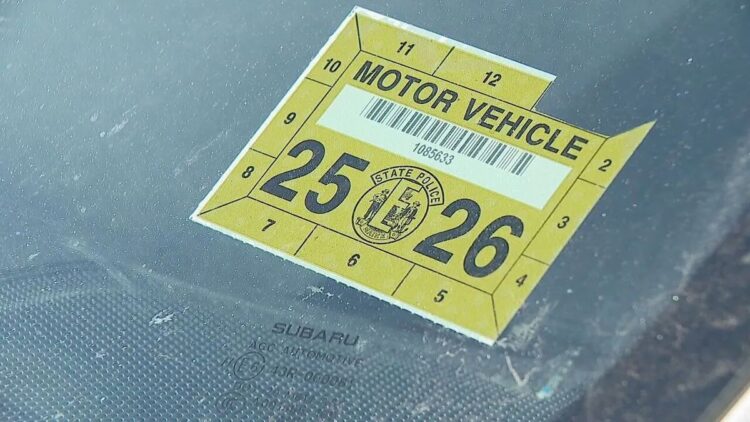
Traffic laws are always under scrutiny, which is why they are updated every so often. The state of Maine is about to join the rest of the states that have already changed their driving policies by 2025. Until now, thousands of drivers have had to comply with mandatory vehicle inspections to ensure that their vehicles were roadworthy and compliant. But that is about to end and we tell you everything we know!
End of inspection requirements
This policy has been in place since the 1930s and was intended to ensure that vehicles on the road were fit for purpose and complied with current regulations (in order to ensure road safety). These inspections checked brakes, tires, steering systems, turn signals, headlights and everything else that had to do with the safety of vehicle users.
State Representative Ann Fredericks has proposed a bill that seeks to eliminate this requirement, which has been in place in the state since the 1930s. If approved, Maine drivers will no longer be required to undergo annual safety inspections (except for commercial vehicles, trailers and semi-trailers).
For many, it’s an economic relief, but not everyone is convinced it’s a good idea. Is it a risk to road safety?
Why eliminate the mandatory inspection?
Fredericks argues that today’s vehicles are safer than ever thanks to the technological advances that are being implemented in the industry. It is clear that in the 1930s there were no systems such as anti-lock brakes, lane keeping assistants and collision sensors, but now that they exist and we have them in our vehicles, accidents caused by mechanical failures have been greatly reduced. In addition, other states have already made progress in this area by eliminating the requirement because it has become an unnecessary procedure that only causes inconvenience.
On the other hand, it would also mean economic savings for drivers, because for each inspection they have to pay between $12 and $50, so it could be an amount of money that they can invest elsewhere.
Critics of the new measure
Of course there have been people against this proposal, the general counsel of the Maine Automobile Dealers Association, Bruce Gerrity has stated that with this change only problems will be generated for Maine users.
On the other hand, Andrew Hobin, manager of Don Foshay, added that this project raises security problems for a simple reason, and that is that, since users do not have much knowledge about mechanics, they will not realize if their vehicle is facing problems or not.
Another reason this proposal has its critics is that in Maine the undersides of vehicles rust very quickly due to humidity, so someone who is not fully trained to identify this could unintentionally put their own safety at risk.
So, Maine’s climate is one of the key factors, along with the cold and salt on the roads (which causes corrosion) that could make many vehicles dangerous, both for the users who use them and for the users with whom they share the road.
Road safety remains an essential issue in all societies, as well as one of the main causes of mortality in most countries, although an annual inspection of each vehicle will no longer be necessary, it will be the responsibility of each user to keep it in the best condition so that it does not become a danger.