
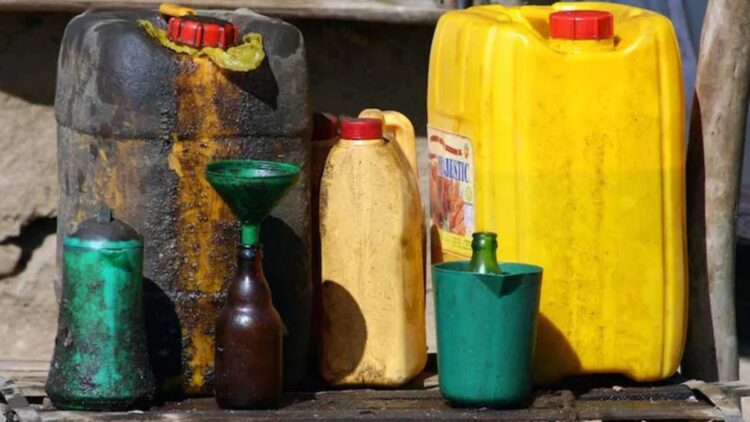
You’ve probably seen jugs with gasoline many times, well in India, that’s over. That’s right, the authorities of the state of Odisha have imposed a strict ban on the sale of gasoline and diesel in plastic bottles and other unauthorized containers. Sure, it might seem exaggerated to us, but there have already been several warnings about the danger of storing fuel in inadequate containers (can you imagine carrying gasoline in a milk bottle? Well, this is the same thing).
The local government has pointed out that these types of practices represent a high risk of fires, explosions and environmental contamination, while also trying to stop access to these liquids in the context of self-immolation attempts, something that happens too often in this Indian region.
So yes, from now on gas stations can only sell gasoline and diesel in approved containers, such as glass, tin or aluminum ones, guaranteeing that their transport is safe and doesn’t pose a risk to anyone. And be careful, if you don’t follow this rule and sell gasoline you could lose your sales license (and face gigantic fines).
“Gasoline and diesel will not be sold in plastic bottles or unauthorized containers. Offenders will be prosecuted.”
Why is it banned?
Mainly for being an environmental risk. Think about it, gasoline is very corrosive and when it comes into contact with common plastics it can break down their structure, weakening the container and altering the composition of the fuel. This can cause leaks (that lead to fires) and flammable vapors that need specific ventilation systems to avoid dangerous buildups.
“Any container designed to hold gasoline must have proper ventilation to avoid vapor buildup” said The Cary Company.
The context
No, it’s not just for environmental reasons. It’s important to explain that in recent weeks, Odisha has recorded at least four self-immolation cases and a dozen similar threats precisely involving gasoline carried in unauthorized containers. So, limiting the availability of fuel in accessible bottles wants to (and needs to) stop these tragedies, restricting fast access to such a flammable liquid, or at least, making sure that whoever buys it knows 100% that nothing will happen to them just for carrying one of these things.
Will it affect the population?
Well, surely, like everything. The government will apply the rule with zero tolerance, which will directly affect those who sell gasoline informally on roads and in unauthorized shops. It will be these small vendors who depend on this market to survive that will suffer the most from the new ban regulation.
Why buy gasoline in a container?
Mainly because not many people have direct access to gas stations, so in rural areas many people buy fuel in bottles to be able to work for example with their agricultural equipment.
Note, this new law doesn’t ban its sale, it just forces sellers to use approved containers for it. You’ll still be able to buy gasoline in a bottle, only that it won’t be made of plastic that melts on contact with this substance!
Much more safety
Of course, the main goal is to prevent accidents, whether from home fires, explosions on the road or misuse of fuels.
But we must also remember that gasoline doesn’t only affect people and represents a serious risk for our ecosystems (it pollutes water, soil, releases vapors…). So the benefits of this measure could be many.
Odisha could set a precedent in other regions of India and even in other countries where selling fuel in improvised containers is still common and dangerous. The ban on gasoline in plastic bottles is a reminder that safety must always come before convenience.