
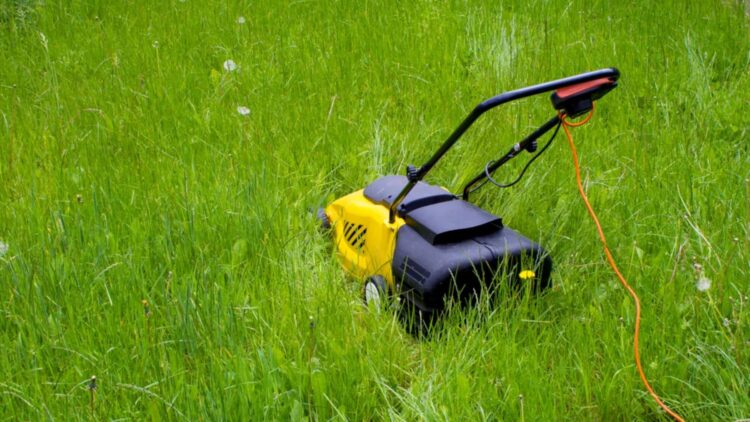
In many cities of the U.S. there are very clear rules about how homeowners must take care of their lawn. These rules aim to keep the streets in order, safe, and nice. However, when these rules change, not everybody agrees.
This is exactly what has happened in Ann Arbor, Michigan, a city located about an hour from Detroit. The city council approved a new law that allows home owners to grow their lawn more than one foot high. So, let’s find out more about this change and why it has divided so many people’s opinions.
Changes on the lawn law
Before this new law, Ann Arbor had a very strict rule: the lawn on private properties could be higher than one foot high, and if it did, homeowners could receive fines from the city.
However, with changes on this rule:
- Homeowners are now allowed to let their grass grow taller than 12 inches on their own property.
- This means people have more freedom to decide how their yards look.
- Many residents who were previously fined for tall grass will no longer face penalties just for that reason.
The city council approved this change, but not everyone supported it…
Supporters of the new law
Those who support the change believe the previous law was too strict. Their main reasons for saying this are that some homeowners prefer yards that look more natural, with local plants instead of regular grass. These types of yards can help bees and butterflies survive. Before this change, people who tried to create these natural spaces were sometimes fined, even though they were trying to help the environment. So, the new lawn law gives homeowners more freedom to decide how their own yards look.
One council member explained that removing the 12-inch height limit allows homeowners to build pollinator-friendly spaces and native landscapes without fear of punishment.
However…
Not everybody is happy with this new rule. In fact, Mayor Pro Tem Travis Radina was the only council member who voted against it. He shared several concerns:
- neglected and vacant properties: Radina believes the old rule helped the city identify abandoned or poorly maintained homes. Tall grass was often a warning sign that a property was being neglected.
- Public health concerns: He also worries that overgrown grass could attract mosquitoes, ticks, fleas, and rodents, which can pose health risks to residents.
- Fire safety risks: Another concern is fire safety. According to Radina, dry, overgrown grass—especially in summer—can be highly flammable and help fires spread more easily. While large fires are unlikely, individual homes could still be at risk.
- Limited environmental benefit: Radina pointed out that common turf grass is not native to Michigan, so letting it grow taller does not necessarily help the environment.
Some rules didn’t change
Even with the new law, homeowners must still follow specific rules to protect safety and visibility:
- Vegetation must allow 8 feet of clearance over sidewalks.
- Over streets, there must be 14 feet of clearance.
- Grass and plants at crosswalks, bus stops, and pedestrian islands cannot be taller than 24 inches.
- Grass near street curbs must still stay under 12 inches.
These rules are meant to make sure drivers and pedestrians can see clearly and move safely.
What about fines?
There are still fines if homeowners don’t follow the rules in restricted areas. They would have to pay $100 for the first fine, and up to $1,000 for repeated violations.
So, sure the new lawn law is more flexible than before, but not all the penalties are removed.
This is not new
Ann Arbor has encouraged less traditional lawn care before. In 2022, the city approved a “No Mow May” resolution, asking residents not to cut their grass during May to support pollinators.
So…
This change shows how local rules try to find a balance between giving people freedom and keeping the community comfortable and safe. What do you think about this new lawn law?