
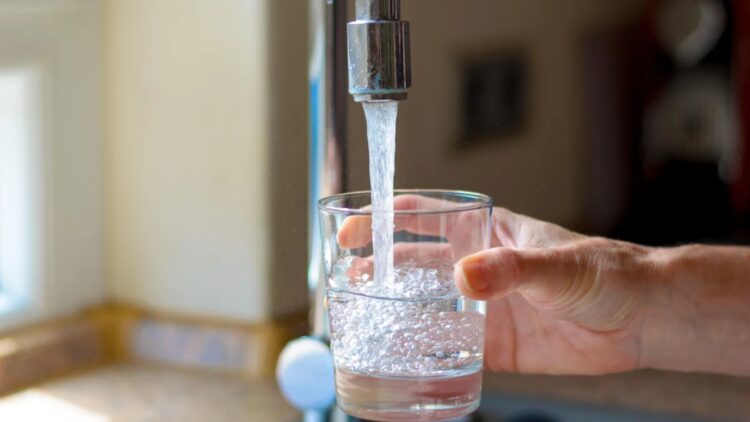
Microplastics are everywhere, even our bodies! They are in the air we breathe, the water we drink, the food we eat and, according to recent studies, on our bodies. Scientists are still searching about the real negative consequences caused by these microplastics for our health. A study made in Taiwan shows that nanoplastics can cause very dangerous alterations on intestines that can lead to new diseases.
Here, we will talk in detail about the results of this study and the importance of continuing researching this issue on human beings for the future of our health. So, let’s get started!
Microplastics and our intestines
Microplastics are small fragments of plastic that have been split up into tiny parts, and they are worrying scientists because they are found everywhere, even our digestive system.
This issue has been already studied, but a new one done in Taiwan has found out more information about it and you won’t like it… scientists saw these microplastics, in their tiniest form called nanoplastics, can alter the intestinal bacteria balance and reduce the protective properties for the intestine.
The study
Scientists from the National Cheng Kung University in Taiwan have studied the effects of nanoplastics on mammals by feeding mice polystyrene nanoplastics for 12 weeks. After this period, scientists did more detailed analysis to see what had been changed inside the mice’s bodies.
Observed changes
The experiment showed that these tiny microplastics changed a lot of inner functions, let’s see what happened:
- Changes when producing proteins and activity of certain genes.
- Lactobacillus bacteria that helps the digestive system was reduced.
- Bacteria like the Ruminococcaceae, which are potentially damaging, increased.
- A bacteria called Lachnospiraceae even absorbed part of the tiny microplastics, and changed its behaviour.
- Proteins that keep the intestine well sealed and protected were much lower, so the intestinal barrier weakened and harmful substances got easier into the bodies.
Cells and intestinal microbes
The intestine cells and the good bacteria communicate inside our bodies when the cells use vesicles, which are kind of like small bubbles, that carry microRNA (this would be the message the cells give to the bacteria).
This study also found that when mice bit the tiny microplastics, those vesicles stopped properly working. As a result, the communication between cells and bacteria ended and this changed bacteria in the intestine.
Is it dangerous for humans too?
The study was done on mice, whose processes are similar to ours, but scientists can’t confirm this result will be the same in humans. Also, the amount of nanoplastics used on mice is way higher than what an average person consumes in real life.
Due to all of this, scientists do not know if we are exposed to a level of microplastics high enough to cause the same effects as in mice.
After the results
Now that we know the results of the study, experts warn about the worrying situation this is and important questions are set out. To give an answer to these questions we need a few things first:
- Researching more about how much plastic we are consuming on a daily basis.
- Improve the technology to detect nanoplastics on our bodies.
- Do more studies on humans.
There are still many uncertainties about this issue. Even though we know more about the possible effects of microplastics on us, there is still a long way to go. It’s important to understand the impact of microplastics to protect our health in the future because we live in a world where plastic is part of almost everything surrounding us. So, there’s a need to invest in research on issues like this.