
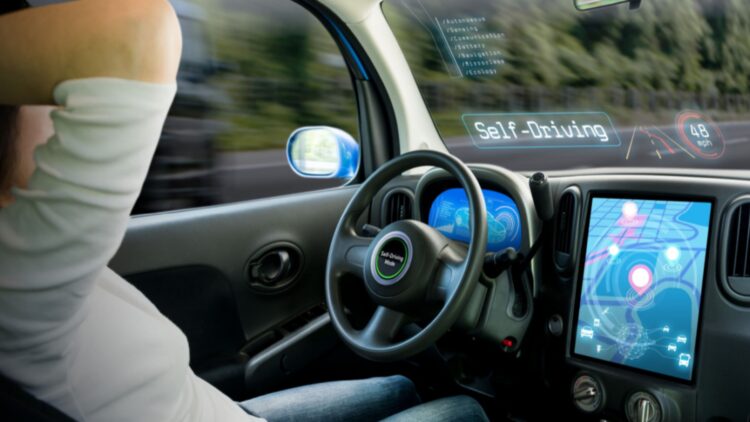
Autonomous cars are almost around the corner!! And the NHTSA (the U.S. traffic safety agency) has just taken an important step toward their regulation, finally, Musk!!! There are three new proposals that have been added to the 2025 regulatory agenda, and the idea is to make it clear which federal standards on vehicle automation will apply and how, leaving no doubt!
These rules cover very basic parts of the car: transmission and starting (FMVSS 102), defogging and windshield wiper systems (FMVSS 103 and 104), and everything related to lighting and reflectors (FMVSS 108). But now we will explain everything so you understand too!
What rules does the NHTSA want to adapt
The NHTSA has focused on three key areas of FMVSS standards that until now were designed only for vehicles with a human driver.
- FMVSS 102 regulates transmission and engine start. In a self-driving car, where there is no traditional gear lever or a driver turning the key, these functions must be redefined.
- FMVSS 103 and 104 establish how defogging and wiper systems should work. In driverless vehicles, the priority is not a person’s visibility, but ensuring that sensors and cameras remain clear at all times.
- FMVSS 108 focuses on lighting and reflective devices. For self-driving cars, the adaptation will include ensuring that these systems not only provide light, but also communicate with pedestrians and other vehicles.
Relief for manufacturers
If approved, these rules would save the industry from having to process special permits in those four areas. However, it does not mean the NHTSA will give a free pass: there are still important technical and legal questions, such as how to evaluate a braking system without a pedal or what happens with safety when seats are not in the traditional layout.
Work that has been in progress for years
The agency has been preparing the ground for years. Since 2018 it has tried to build a legal framework for self-driving cars, and in 2022 occupant protection rules were already updated, although with many limitations for current designs. What we see now is part of that phased strategy: giving companies some reassurance without putting a sudden brake on innovation.
The problem with doing it in pieces
The NHTSA has chosen to divide the updates into separate processes. The idea is to move faster and align with the executive order “Unleashing Prosperity Through Deregulation” which requires eliminating ten regulations for every new one approved. The risk is clear: each rule needs to pass through the Department. And considering the NHTSA is operating with 25% less staff after the cuts, delays are the norm…
What is at stake
Self-driving cars will not truly expand without clear rules, logically. That lack of specific regulation has been one of the major brakes on road testing and entry into the mass market. What the NHTSA has done does not solve everything, but it is a sign that the Government wants to push the transition toward autonomous mobility.
A step forward
The agency shows with these measures that it wants to modernize its legal framework, adapting it to a scenario where pedals and the steering wheel will not always be there. But the road will be long and full of obstacles.
The question is whether the speed of bureaucracy will keep up with the pace of the industry. For now, what is being prepared for September 2025 is shaping up to be a milestone that brings the United States closer to a future with safer and finally regulated self-driving cars.