
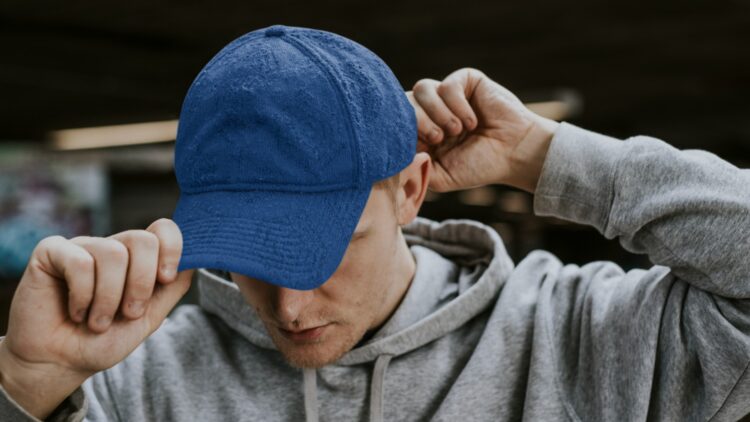
There is nothing better than wearing a cap on a sunny day. Now, caps are more than just an accessory to protect yourself, they also represent the identity of those who wear them. Although they started out as a functional tool, over time they have acquired cultural and psychological meanings that transcend any fashion. In other words, they are no longer just to protect us from the sun, but they also tell stories about those who wear them. From covering your hair on a bad day to expressing belonging to a group, this object has a cultural meaning that we rarely notice. But what does psychology say about it?
What does the cap reveal?
We are so used to seeing thousands of young people and adults wearing caps that we hardly question it, but psychology suggests that this simple gesture can be loaded with symbolism. For example, for some people a cap is synonymous with refuge (like a shield against the outside world that helps them stay hidden and go unnoticed), in other cases, a cap can hide insecurity, as there are those who use it to avoid people looking at them or to hide certain insecurities such as baldness.
On the other side of the coin, many people use them to reaffirm their own identity.
The cap as a symbol of resistance.
Today there are caps of all kinds, from iconic brands, sports teams and social movements. What’s more, more than just an accessory, the cap has become a cry of belonging for some young people. Especially those who move around urban environments, as it is a way of challenging social norms.
In the book “Mind what you wear: the psychology of Fashion” written by psychologist Karen J. Pine, she highlights that caps are, ultimately, communicative elements with which we express our identity, the same occurs with hairstyles or bags, and that fashion is deeply rooted in the psychology of each human being.
What is the history of caps?
Well, as you well know, they were born as a functional necessity, they were mainly used by farmers to protect themselves from the sun during work days, but, with their use in the sports world, caps began to be seen more as a fashion accessory than as something functional.
And in urban cultures?
Think for a moment about hip-hop culture, these caps represent “rebellion”, and there have been brands that have known how to capture that sap, such as New Era or Supreme, establishing ties of connection and creating designs that are more than declarations of intent.
Another example we can think of is people who practice skateboarding, the caps used in this sport are even more special, much wider and with a flat visor.
The impact of sport on caps
It may be that in the United States, for example, caps became much more popular thanks to baseball teams, such as the New York Yankees, and who doesn’t remember seeing practically all the players wearing a cap? Even brands that make sportswear now include cap collections, mixing the world of sport with fashion.
Therefore, the summary is that caps are something more than a simple souvenir or accessory, and the most interesting thing is that each person uses them for a completely different reason.