
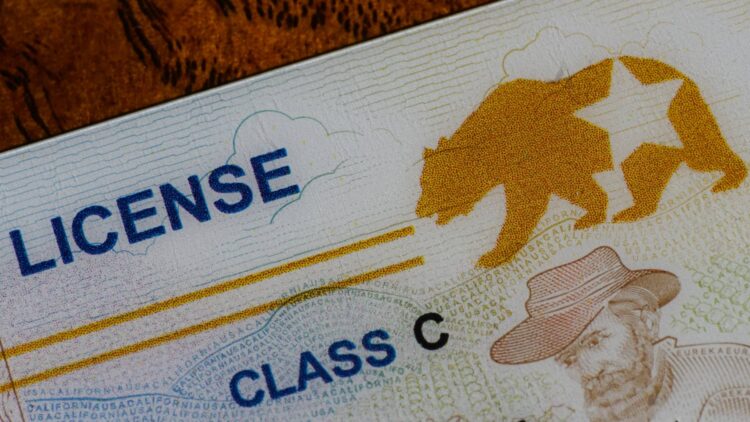
The Real ID law came into effect (finally) this past May 7. But, for some migrant communities in the country, this law has caused a lot of commotion and many doubts. As you may know, now, to travel within the country or access federal buildings, new security and identification rules are required, the well-known Real ID we are talking about. Although this document does not change anyone’s immigration status, it has indeed generated a good dose of uncertainty among the migrant population.
What exactly is the Real ID and why is it so important now?
The Real ID Act was approved in 2005, some years after 9/11 with the idea of establishing a federal minimum standard in identifications accepted for things like domestic flights or entries to federal facilities (from military bases to nuclear power plants). After several delays, finally this past May 7 the TSA began to require this identification to board domestic flights.
If you do not have a Real ID, don’t worry: you can still fly, but you will have to present alternative documents like your valid passport, your green card, or enhanced licenses from some states. Of course, better have everything in order and arrive early at the airport, because any doubt could lead you to suffer extra checks to verify your identity.
How does all this impact migrants with legal status?
This is where things get complicated. Although the law does not change or affect your legal status, many people with permanent residence, visas, or valid permits are avoiding flights or long trips for fear of checks at airports for not having one of these identifications. Yes, even with a valid passport.
The fear is there, and it is completely normal, especially when we are in a moment in which the migrant population is being criminalized (even though it represents 13.5 million people who legally reside in our country) and being blamed for bigger evils.
Now, with the new Real ID law, many fear that TSA controls will ask them questions about their immigration status that could jeopardize their visa in the U.S.
And although it is true that the authorities clarify that the alternative documents are perfectly valid, they also acknowledge that they can generate delays or extra checks, especially if the document has any detail that raises suspicion (like a near expiration date, for example).
So, what can migrants do to avoid trouble?
The recommendations are clear:
- Always carry your valid immigration documents (green card, visa, humanitarian permits… whatever you have).
- If your documents are expired or in process, better avoid traveling or request a renewal at your embassy.
- And a classic that never fails: carry digital and physical copies of everything, just in case.
- In the case of families with mixed status (where some have U.S. nationality, or permits and others do not), experts advise being even more cautious. In airports and TSA checkpoints the risk of running into immigration agents is higher, so, if you can, avoid unnecessary trips…
The Real ID marks the real commitment of the federal government to national security, but that means that at least 13.5 million people have seen their lives waver… Not to mention all the undocumented migrants who will also not be able to access this document.
Our advice is clear: stay informed, carry your documents in order, and do not hesitate to consult official information before any trip. We don’t want surprises!