
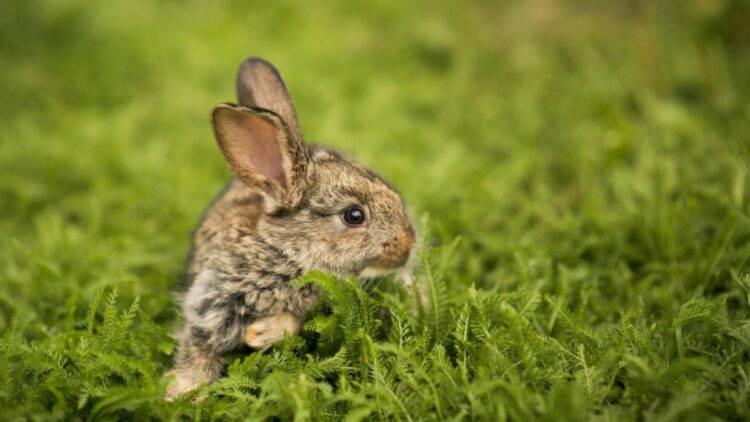
Nature is wise, magical and now also unpredictable. And it is that, every so often we discover that there are species that, after many years of disappearance, come back to life as if by magic. It already happened a few months ago with other species, today we also come to bring you very good news: a species that was thought to have been extinct for 120 years has reappeared!!
When scientists name an extinct species, the feeling is quite bitter, it seems as if nature had lost a great battle against the current systems of human organization. But when one of these species comes back to life, the emotion is indescribable, and it is that, 120 years have passed since the last time the cottontail rabbit Omiltemi was seen in Mexico.
What kind of animal is this?
Its scientific name is Sylvilagus Insonus, and it is one of the strangest types of rabbit in the world, endemic to Mexico (from the Sierra de Guerrero) in Omiltemi, hence its name carries with it its denomination of origin. It is characterized by having a dense and dark fur, it is very small in size and looks very fluffy, like a cotton ball.
Why did this animal disappear?
There were several reasons why this adorable bunny disappeared from the Mexican biosphere, mainly due to excessive hunting and the destruction of its habitats, since many of its forests were eliminated to make way for buildings, so it was, without a doubt, human intervention that made this rabbit disappear.
The most impressive thing about this species is that this little animal managed to survive in remote areas without being detected for more than 100 years, and this is what has allowed it to continue reproducing and reach our days.
Yet another rediscovery
That’s right, researchers have been tracking these little animals for over five years. Jose Alberto Almazán-Catalán’s team was very excited after having spotted one, and the objective of this initiative was to protect and restore more animals and plants that were at risk, but they did not really expect to find one of these animals despite the fact that many locals claimed to have continued hunting them for years.
Ecosystem restorers
These adorable bunnies are what they are, and these animals swallow seeds in their food, which they expel intact! In this way they contribute to fertilising the soil and repopulating forest areas, helping to disperse the seeds. In addition, these animals are the base of the food chain for other predators, such as snakes, owls, ocelots or pumas.
What’s next?
As you can see, nature always has an ace up its sleeve, and researchers have proposed three measures to ensure their protection and study:
- first, continuous monitoring, that is, using cameras and GPS to track these animals.
- Second, conserving and protecting the habitat where these specimens have been found.
- Finally, creating awareness campaigns to eradicate the hunting of these animals.
Nature always finds a way to come back to life, but now it will be our job to preserve these animals so that they can continue their journey through our planet in the best possible way (and without feeling threatened). This time we were lucky that they were not extinct, just hidden, but perhaps next time we won’t be so lucky… will we learn the lesson?