
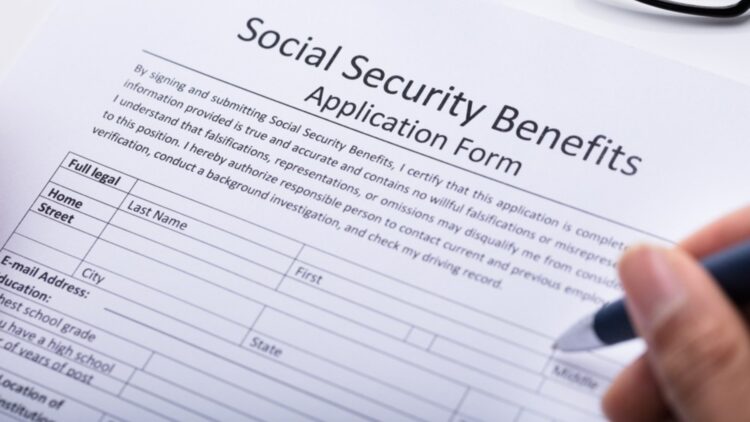
Social Security in the United States has already been facing for some months one of the most complicated moments in its history, and that is, the fund that sustains the system (yes, the one that pays the pension of the millions and millions of retirees and disabled in this country) is about to run out. Not now, but in 10 years, and the solution proposed by the government has not been the favorite of the workers. They want to raise (even more) the retirement age, which is already at 67 years, now they want to raise it to 68 or even 69 in the coming years.
It is clear that this change would not affect current retirees, but it would affect those of us who are 30 and see the moment of our retirement further and further away (we are going to be toothless and with arthritis going to work on the subway).
Yes, they want to ease the pressure on a system that pays more than it collects and that life expectancy is increasing, but does the responsibility always have to fall on adults of 30-40?
Current workers will have to adapt to seeing their retirement further and further away, like the horizon, it never arrives. Debate, criticism and more debates. Will we be seeing men at construction sites at 70 soon?
How would the new retirement plan work?
The government plans to gradually raise again the full retirement age (FRA), today it is set at 67 years, but it could rise to 68 or 69 in the coming decades.
The option of early retirement will still exist
Of course, it will still be possible to retire at 62 years, but with higher penalties in the monthly checks, that is, if you retire at 62 you will lose part of what corresponds to you as a retirement pension. This will make many retirees be forced to continue working even if their body cannot handle it. Nothing fair, by the way.
Who will feel the impact the most?
Generation that is now 30-40 years old, get ready because it hits us directly. Current beneficiaries will not see cuts in their payments, neither will those who are almost about to receive their retirement, but for us it means reorganizing our savings because we are not going to have retirement.
Inequality and health risks
The biggest problem is that not all jobs are the same, we cannot compare being a cleaner, caregiver of patients, working in construction or being the owner of a franchise, right? The physical wear is much greater in the first ones than in the last one.
- Physical jobs: those who work in construction, factories or in the health sector will hardly be able to remain active until almost 70 years without that affecting their health.
- Income inequality: those who have better paid jobs and less physically demanding ones have more margin to adapt. On the other hand, workers with low wages and tougher jobs would be the most affected.
The measure could further widen the gap between those who can choose to retire and those who will simply not have the option.
Political reactions
Of course, associations have accused the government of putting the responsibilities on the most vulnerable, yes, raising the retirement age gives the system temporary relief, but it does not solve it.
What can workers do now?
Plan the future. Start reducing your expenses and saving most of your monthly salary with the view of having a large savings cushion for when it is our turn to retire. Good luck, we have no other option.
Is it fair to demand more from those who are still working? It is not, social security needs changes and they should not involve compromising the physical health of the workers.