
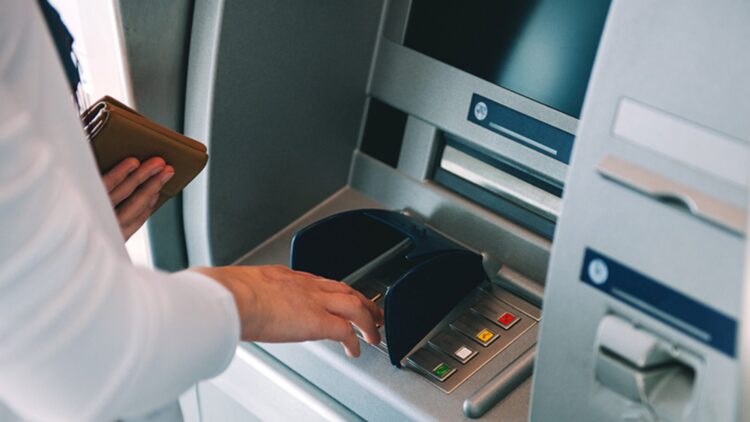
Holidays, ah, our dream days of the year. Many of us plan everything in great detail, routes, what we’re going to visit… And those of us who are a bit more gluttonous even plan the restaurants where we’re going to eat! (And we’re already drooling…) But have you ever thought about one of the most basic things, like withdrawing money from an ATM? Well, today we’re here to talk about that, withdrawing money (especially abroad) without them trying to charge you extra just because you’re not in your country, because banks are very clever!
And yes, you’ve probably been through it too, withdrawing money from a foreign ATM is the closest thing to a horror movie. You know how much you’re taking out of your account, but you don’t know how much the bank is going to decide it wants to take “for the inconvenience”.
“The trap”
It’s called Dynamic Currency Conversion (DCC), a feature that offers to show you the exact amount in your own currency, but in reality, it involves hidden fees and very unfavorable exchange rates for your pocket! Travel experts warn that accepting this option means paying more for your own money, but why?! Because that’s just how banks are: they’ll take advantage of whatever they can. So, here’s our tip (well, it’s from the experts, but we’re telling you): always choose to pay in the local currency. Always. Mexican pesos? Argentine pesos? Euros? Let your bank handle the conversion. Don’t go accepting the price on the card reader unless you’re really good at math, always choose the local currency price!
Dynamic Currency Conversion
DCC might look appealing because it tells you exactly how much you’ll pay in your currency, but the real cost is in the fine print. ATMs that offer this option apply inflated exchange rates and add fees that aren’t always shown before confirming the transaction! Hadleigh Diamond, an expert in services for travelers, explains that the best way to avoid this extra cost is to reject the conversion and always choose the local currency, let your bank do the work!
Why you should let your bank do the conversion
When you select the local currency, it’s your bank that handles the exchange. This usually guarantees a fairer exchange rate and, in many cases, lower fees than the ATM operator would charge. The key is trusting your bank (hard, we know), but most likely it has better agreements and more competitive rates than external providers.
No, not all ATMs are the same
Even if you think they are, not all ATMs are the same, so don’t just go with the first one you find. Also, the ones in airports or very touristy areas are the real nightmare for your wallet, they’re usually controlled by private operators who apply conditions that are not in your favor… On the other hand, finding an ATM from a well-known bank like Santander, HSBC or ING in less crowded areas can save you a lot of money. A quick search on Google Maps with the phrase “Bank ATM” can lead you to these safer and cheaper options. Also, if you withdraw money from your own bank, there’s a good chance you won’t have to pay any fees, just the currency conversion!
When and how much to withdraw
Let’s talk about saving, experts recommend withdrawing cash on the first day of your trip to avoid later issues with your card, and to do it in a single transaction that covers several days. That way you save on fees, which are usually lower than doing lots of small withdrawals.
Imagine you need 600$ in cash on a trip. If you make six withdrawals of 100$ with a fixed fee of 5$ per transaction, you’d be paying 30$ just in fees. On the other hand, if you withdraw everything at once, the fee is applied only once, drastically cutting the cost, see it now?
Another option you could consider is bringing cash from home, but remember that each country has a maximum limit of cash you can carry, check that first!