
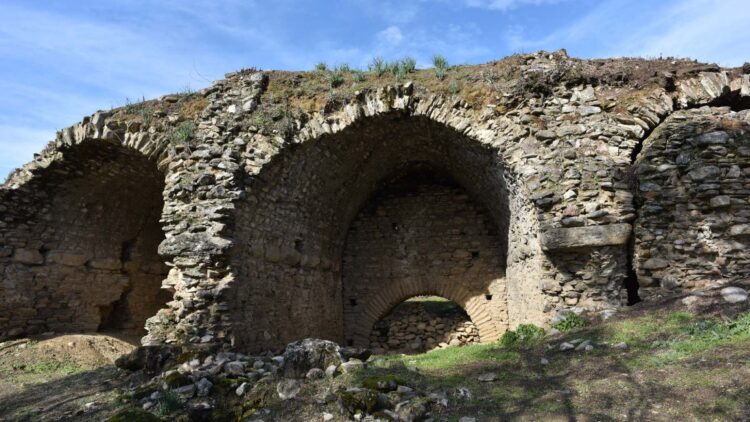
A team of archaeologists in Turkey has discovered something shocking: a Roman stadium that was one of the largest sport venues of the time. It was hidden underground for almost 2,000 years and this place reveals fascinating details about life, entertainment, and culture of the Roman Empire.
This finding took place in the ancient city of Syedra, located near the current Alanya, a coastal place in the south of Turkey (near the Mediterranean Sea). According to experts, the structure is around 1,800 old which makes it one of the most important Roman discoveries of the region. So, let’s find out more about it!
A huge Roman stadium
Based on what archaeologists say, the Roman stadium in Syedra measured about 190 meters long and 16 meters wide, a giant construction for that time. It could gather between 2,000 and 3,000 people to celebrate sport competitions, games, and public events.
The striking thing about this is the way it was built: the stadium was directly carved into the solid rock of the ancient city. Thanks to such a peculiar method, a great part of the structure remained hidden and well preserved underground for almost 2 millennia.
Before recent excavations, only a few sections of the seating area were visible on the surface. Over time, the southern part of the stadium was damaged by new walls added later for defense, but the northern side remains in excellent condition — something experts describe as “unprecedented.”
More findings from the Roman time
The stadium was just the beginning. As archaeologists continued excavating, they discovered more structures and objects in good conditions that showed how life in Syedra was during the Roman period. Among the things they found there were:
- A Roman bathhouse, where people went not only to bathe but also to relax, talk, and meet friends.
- The remains of a town hall, where the city’s leaders met to make important decisions.
- A street lined with stone columns, a typical feature of Roman cities that showed their love for beauty and order.
- A statue of the goddess Nike, symbolizing victory, which reflected the city’s spirit and pride.
- Several staircases connecting different parts of Syedra, showing the city’s organization and structure.
- A colorful mosaic illustrating the twelve labors of Heracles (Hercules), one of the most famous heroes in Roman mythology.
Each of these discoveries helps archaeologists better understand how citizens from that city lived and the role of art, politics, and public spaces in the daily life of the Roman world.
A symbol of pride for the city
What’s more, researchers found about 40 inscriptions carved around the city of Syedra. These writings give valuable information about the sports culture and entertainment of the time.
Experts believe that the size of the Roman stadium was a symbol of the city’s importance during the Empire. Large and beautiful public spaces like this one showed how proud and prosperous a city was.
In ancient Syedra, the stadium would have been a place where people gathered to enjoy sports events and public celebrations, much like modern stadiums today. It was a central space for the community — where citizens came together not just to watch competitions, but also to share in the joy of public life.
A legacy still alive
The discovery of the Syedra Roman stadium proves that there are still many secrets from the past to be found under our feet. Every new excavation means we are closer to understanding a bit more how Romans left their footprint in the world.
It’s remarkable that after almost 2 millennia, this stadium is still up thanks to human engineering, skills, and passion. As you can see, this is a reminder that Roman civilization built more than monuments, they also left a legacy that continues inspiring humanity today.