
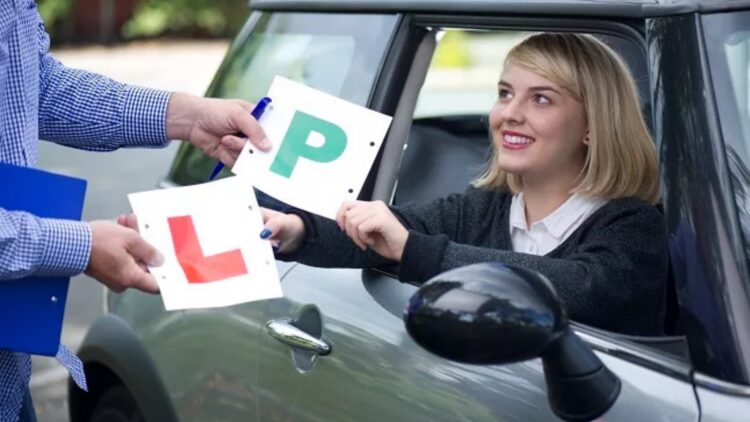
Starting July 1, 2025, teenagers who want to get their driver’s license in Florida will have to go through a longer, more expensive, and more complicated process. Sorry, it’s your turn now. It’s part of the new state law known as Senate Bill 994, which eliminates online training and forces teens between the ages of 15 and 17 to attend an in-person course approved by the state.
The reason is clear, even if it sounds silly: to improve road safety. Many families are already warning that it will be a difficult barrier to overcome, especially in rural areas and low-income communities. But young people represent a very high percentage of traffic accidents, so maybe it’s better to be safe than sorry, right?
It changes everything
Until now, completing the online TLSAE course (the typical traffic and substance course) was enough to be eligible for a license. But starting in July, that’s over. With the new rule, the requirements will be:
- Attend a state-approved in-person course
- Pass a 50-question written exam
- Pass vision and hearing tests and submit documentation
- And as always, complete 50 hours of supervised driving (10 at night) and hold the permit for at least one year before applying for a full license
Why was this law passed?
Senator Jay Collins, the sponsor of the bill, is also the father of a teenager, and he says he wants to create more responsible drivers and reduce youth-related accidents. He says that, as a parent, he believes teens need more serious training. According to him and other supporters of the law, in-person classes allow for a clearer explanation of the real dangers of driving while distracted or under the influence of alcohol.
And in fact, many studies support the idea that better-structured driving education creates better habits behind the wheel. Teenagers don’t usually feel the risk or anything like it, so it’s not a bad idea to “tighten up” road safety for them.
But… who is really affected?
This is where the problems begin. Even if the idea sounds good, the law doesn’t affect everyone equally. Teenagers living in rural areas will have a much harder time: there aren’t always nearby centers offering in-person classes, and traveling means more time, more money, and more organization. And on top of that, in-person classes are more expensive than the online version.
It’s also unclear whether all school districts have the capacity to handle the number of students who will now be required to attend in-person training. This could lead to waiting lists or long commutes to accredited centers.
What can families do?
Authorities recommend that families find out as soon as possible if there are accredited centers nearby, calculate the cost of the course, and begin the paperwork early. Organization and planning.
More burden for already struggling families
This adds to the list of things that make life harder for many families. Between the price of the course, the time it takes to coordinate everything, and the pressure to avoid delays, the process becomes more stressful, especially if more than one child is trying to get a license. The state has said it will expand the number of in-person centers, but hasn’t explained when or how.
And be careful, it’s not the only new law
As if that weren’t enough, Florida has also passed another measure: tougher fines for so-called super speeders (drivers who push the accelerator too far). The penalties will now be much higher and, in some cases, could even result in jail time.
The message is clear: they want more control on the roads and fewer accidents. But that control comes with new barriers for many families who were already stretched thin