
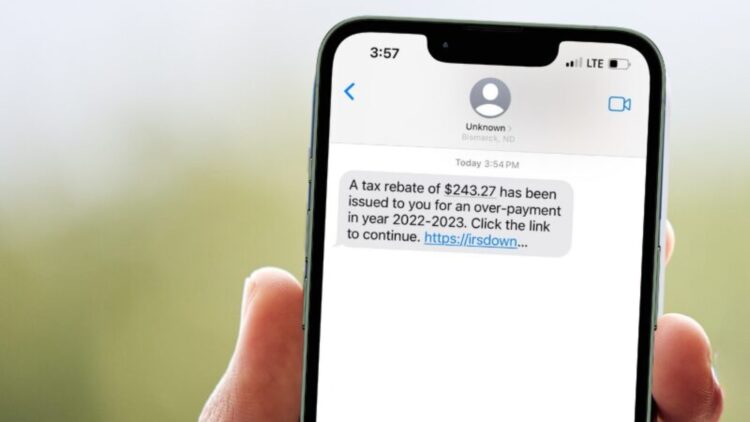
Be careful with scams! Most people have been victims of scams in from the fake IRS, we can see now taxpayers have been scammed during the process of receiving the benefits from the IRS. It is important to check the URL of the links we are sent because Internet thefts are the most common ones. Fraudsters take advantage of people’s lack of knowledge on these issues and they rely on being informed through these channels by official institutions. Let’s see why this topic is getting importance once again.
Scams all over the globe
Throughout the entire year, many people and companies fall into the fraudsters’ bad intentions of getting access to your personal information or your money. There are so many types of scams that even the IRS (Internal Revenue Service) has created a list called ‘Dirty Dozen’ to group together the most common one, these are the scams you can face: fake clients, non-profit organizations, bad advices on social media and fake credits.
A recent scam warned the IRS again. The 15th of April of 2025 was the last day to declare your taxes in the United States, but once that date is past you should not relax because that is the moment when fraudsters start their robbery. They send you messages looking like the IRS and they ask for personal information or even money to do some paperwork related to your taxes. You might think: ‘how should I know I have fallen into it?’ Well, let’s see how you could protect yourself from them.
What to do to prevent a scam
Now, let’s see some advice you can put into practice on the Internet to avoid fraudsters getting access to your life. These are some of the IRS advice for these situations:
First of all, you should never trust email, a call or social media that ask you for money or information through these channels because the IRS would never do this. Remember! These are the easiest ways to obtain what scammers need.
Another advice is to use safe passwords and antivirus to create a strong wall scammers would have to demolish. Please, do not use the same password for every account although it is much easier to remember, but the safest thing is to write your different passwords on a notebook. It would be great if your password combines numbers, letters and signs.
Last but not least, read very carefully the URL of websites, if they do not start by https:// do not write any personal information here. The ‘s’ in the URL means ‘safe’, so next time you receive a link pay attention to details.
Did you find a fraud? Here’s what you should do
Congrats! You have identified a fraud and you are not the victim anymore, but what’s next? You need to report the situation to the IRS. These are the different emails which you can contact the specific departments:
- Email or text messages scams: phishing@irs.gov
- Data lost: dataloss@irs.gov
- Identity theft: statealert@taxadmin.org
In case you do not know where to categorize your situation, you can also check the official IRS website and its scams section: Tax scams | Internal Revenue Service
Now that you are aware of this fraud situation on the taxes process, you should pay attention and neither click on any link you are sent nor follow any steps the false institutions tell you to do. Overall, you must never send personal information nor money at the first sign of trouble. We live in a technological world and this is an everyday occurrence, so let’s be prepared and use these advice in any other scam you may face. Do not let scammers rob you!