
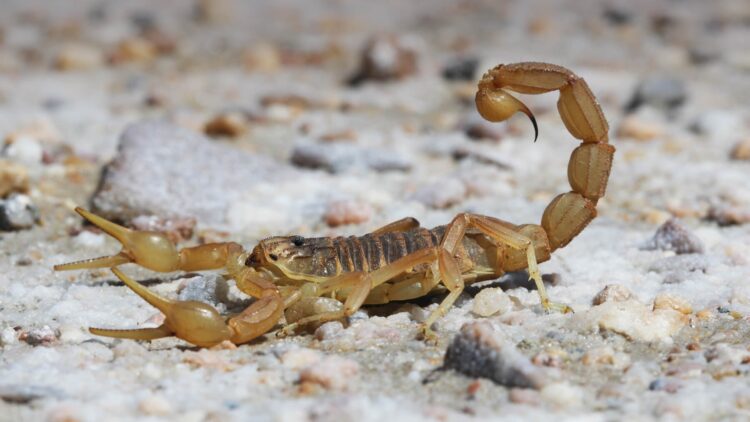
When the extreme heat of summer fades and the humidity rises, another season begins in Texas, scorpion season. At this time of year, it’s not unusual for families to find these nocturnal arachnids creeping into their homes in search of cooler, more humid shelters.
For some residents, dealing with scorpions can be more than just a nuisance. In fact, one neighbor in Frisco became so frustrated with frequent sightings that she decided to sell her home.
So, what exactly happens during scorpion season in Texas, and what can you do to protect your house? Let’s have a look.
Where do scorpions nest?
Scorpions are usually most active in July and August, but you can still spot them in September and even later in the fall. At night, they come out to look for food or a mate, and that’s often when they end up inside Texas homes.
According to pest control experts, these arachnids don’t like heat or direct sunlight. They prefer cool, shady places to hide. Common hiding spots include:
- Cracks and crevices in walls and foundations.
- Gardens with weeds or piles of debris.
- Stacks of firewood, lumber, or rubble.
- Fences and shaded areas around the exterior of houses.
Removing these potential shelters is one of the best ways to prevent a scorpion problem before it starts.
The Frisco case
The reality of scorpions in Texas can be overwhelming for newcomers. Take the case of Tanesha Jones, who moved from Chicago to Frisco, North Texas.
Jones began seeing these arachnids in her home once or twice a week. Even after setting traps near doors and in her garage, the problem didn’t improve. Eventually, she made a drastic decision: she sold the house.
“I bought a new house and I’m moving. I can’t take it,” Jones explained. “Normally I see one or two a week. Since I’m from Chicago, I’m not used to this kind of thing… Oh my God!”
Experts later confirmed that the scorpions in her home were striped bark scorpions, the most common species in Texas. They are small, ranging from 6 mm to 1 cm long, and while venomous, they are not considered deadly. Their diet usually consists of spiders, ants, and other small pests.
How dangerous are they in Texas?
The Texas Parks and Wildlife Department (TPWD) explains that scorpions have long, segmented tails with a stinger at the end. Their sting carries venom and usually causes pain and swelling, much like a bee sting.
For most people, a scorpion sting is not dangerous. But if someone has allergies, they may need medical help.
There are about 1,500 types of scorpions in the world, but only 25 to 30 are considered truly dangerous to humans. The good news is that none of the species living in Texas are deadly. Still, running into one in your home can be pretty unsettling.
Living through scorpion season
Even if these arachnids in Texas are not deadly, sharing your home with them is far from pleasant. The good news is that you can take steps to reduce your chances of running into these nighttime visitors. Experts recommend:
- Sealing cracks and crevices to block entry points.
- Keeping gardens clear of weeds and debris to eliminate hiding spots.
- Avoiding piles of firewood or rubble close to the house.
These simple measures remove the cool, dark refuges scorpions look for and can make your home far less appealing to them.
So…
While scorpion season in Texas can be unnerving, the key to dealing with it is prevention. By sealing entry points and removing clutter inside and outside your home, you can greatly reduce the risk of unwanted visitors.
And remember: though their sting can hurt, the arachnids found in Texas are not deadly. With a few precautions, you won’t have to go as far as selling your home, like the Frisco neighbor who simply couldn’t get used to them.
Scorpions may be part of life in Texas, but with awareness and preparation, you can keep them where they belong: outside.