
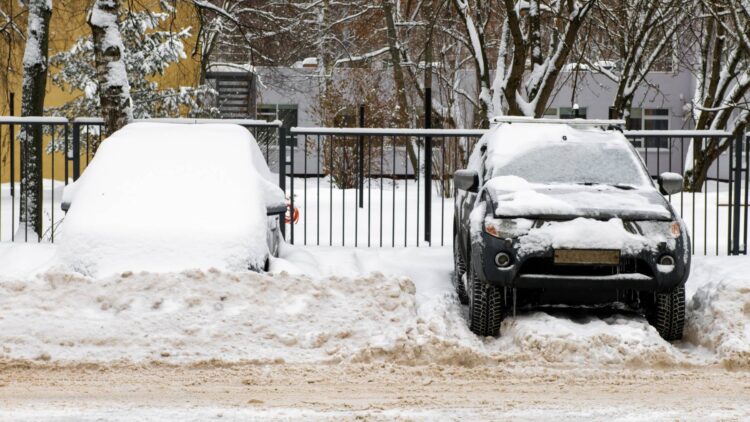
It is true that when it snows, we are a little more lazy about everything… If we have to go out in a heavy snowfall, it becomes the biggest of odysseys. And getting in the car? Oh, if we have to get in the car and our car is buried in white snow. It is normal that we are lazy and overwhelmed by having to remove the snow from our car before using it (freezing our hands and feeling like we are very close to saying hello to Olaf) but, this fact is essential and obligatory for all road users. Now, New York has imposed fines of up to $850 for all those users who do not remove the snow from their vehicles before starting them. If you want to know why these measures have been imposed (and above all, to avoid the fine) below we tell you everything we know!
Snow removal: essential for safety
As you may already know, New York road users are legally required to remove snow that exceeds three centimetres of accumulated snow on their vehicles (and this applies to all parts of your car, roof, windows, mirrors and cargo compartments if there are any). And you can’t act surprised because this legislation was enacted last December 2019! And not doing so can lead to a fine of between $150 and $850, with the difference that fines under $200 will not take away points from your driver’s license.
But what if it’s snowing and I’ve removed the snow?
This law does not apply if the snowfall is active or in the three hours after it stops snowing, but it is considered a crime if, after the time has passed, the vehicle exceeds the amount of snow mentioned above.
How to avoid fines?
As you have read above, it is not enough to just clean a small space on the windshield to be able to see while driving and avoid the fine. It is necessary to remove the snow from the entire vehicle to ensure a full view and prevent ice from coming loose while driving.
If you have already been fined and want to contest it, our advice is to record all the details: take a photograph of the place where it happened and write down the exact time you received the fine, so you can justify if there was any error. In case you want to take the case to court, it is very important that you know how to gather this evidence.
More tips for your car in heavy snowfall
As you may know, freezing temperatures (as well as very hot temperatures) make placing certain items inside our cars dangerous. Aerosol cans (such as deodorant, for example) could cause an explosion with the change in temperature. The USDA recommends that if there are canned goods that have frozen and expanded, they should be removed immediately because they may have generated bacteria inside.
On the other hand, it is recommended never to leave medications or electronic devices, the first because they can alter their composition (becoming very dangerous if ingested) and the second because their batteries can suffer irreversible damage if exposed to temperatures below 32ºF (0ºC).
Of course, don’t leave anyone, not even pets, inside the car when the temperatures are low! Not even to buy bread! Low temperatures can cause hypothermia in a matter of minutes and could be fatal in many cases! Make sure that if you leave someone inside the vehicle you have the car’s heating on.
Another piece of advice we can offer you is that before it starts to snow heavily, you should check that your car is working properly (both the engine and the wheels of your car), and that you should prepare a first aid kit in case at some point during the snowfall, you have to stop without compromising your health.