
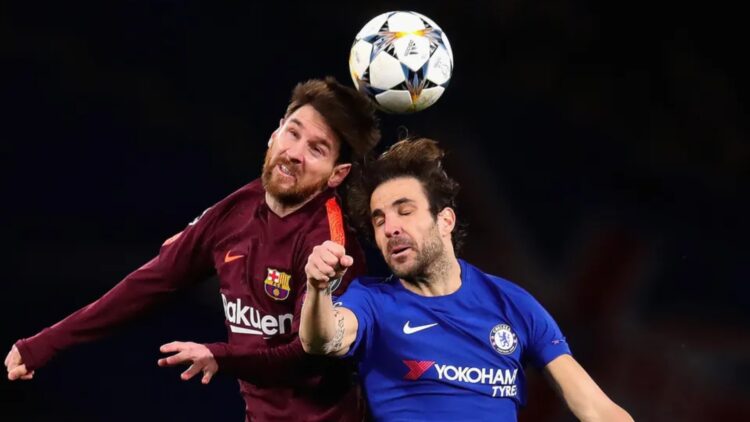
Soccer is the most popular sport in the world, right? It’s also played by millions of people, no matter their age nor level. However, new studies show there is a hidden risk about it: repeatedly hitting the ball with the head can cause damage to the brain, even in amateur players who have never suffered from a concussion.
A study shines a light on how this damage occurs, which part of the brain is affected and why this should worry those who practice this sport. So, let’s find out all of this.
The main finding
Researchers studied 352 amateur adult soccer players, and they found that those who hit the ball more than 1,000 times with their heads showed microscopic changes on their brains.
These changes were seen in an area located right behind the eyes, which coincides directly in the path of the ball during a header. What’s more, these players got worse results in memory and learning tests in comparison to those who hit the ball less with the head.
How can this action affect the brain?
The study focuses on the layer called the gray matter-white matter interface (GWI). What a name, right? Well, this is the point where we can find the areas in charge of processing the information and transmit signals.
In a healthy brain, the limit between these two areas appears clear and defined, therefore, that limit was blurry on those soccer players who hit the ball with the head a lot.
The blurry image is a sign that microstructural changes are caused by repetitive impacts. So, scientists believe these alterations affect the functioning of the brain and explain the bad results on cognitive tests.
Importance of this study
For years, the debate on head injuries in contact sports like soccer, football, or rugby was mainly focused on brain concussions. Now, thanks to this study, we know that even mild, repeated impacts can add up and cause damage.
Michael Lipton, neuroscientist from Columbia University, highlighted that this is the first clear evidence about repeated heading leading to specific changes on the brain–that will end up reducing cognitive performance.
The role of advancing images
To detect these changes, Lipton’s team developed an innovative method based on diffusion magnetic resonance imaging (dMRI). Previous studies experienced several difficulties to analyze the GWI, but this new technique revealed injuries never seen before.
The research showed damages in the front area of the brain, where the direct impact of the ball when hit with the head is received. That’s why scientists think this reflects a ‘’contrecoup’’ injury, which means an internal hit that appears on the opposite side where the impact happened.
Memory and learning effects
Soccer players that tend to hit the ball with the head the most got very low results in memory and learning tests. Even though the differences are not very shocking and dramatic, they were statistically significant, which confirms the effect is a real thing.
So, this indicates that, even with no concussions, mild and frequent soccer impacts could accumulate with the passage of time and affect cognitive capacities.
Soccer and long term risks
The study suggests some doubts about long term effects because researchers suspect that GWI changes could be related to disorders like chronic traumatic encephalopathy (CTE). In case the technical name doesn’t sound familiar to you, this is a serious brain disease detected in other contact sports.
It’s true not all soccer players develop serious issues, but the evidence proves that frequently hitting the ball with the head in soccer is something to pay attention to. So, if you are thinking about playing soccer or any other contact sport, have this in mind. You don’t know what can happen in the future…