
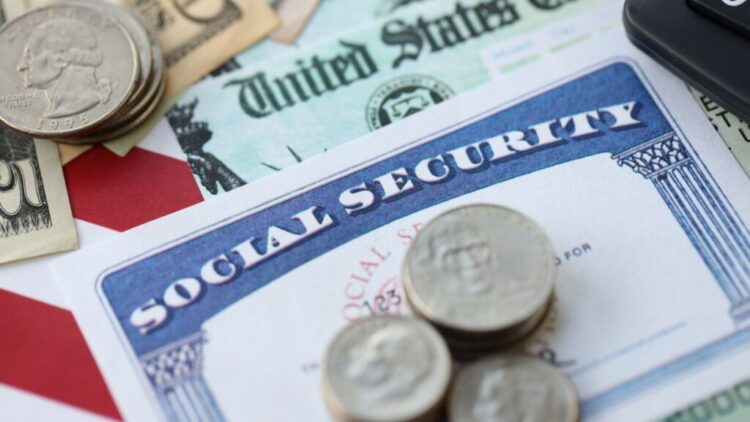
The Social Security Administration (SSA) has announced a $67 billion shortfall and has left all retirees shaking… Yes, many feared it, but it’s now confirmed: the deficit has reached an outrageous figure, and of course, that’s going to have consequences… The SSA has started to apply rather strict measures to curb the chaos caused by beneficiary payments… and many are already feeling it. Here’s what’s going on.
The SSA and payment reviews.
Yes, you’re probably tired of hearing about the DOGE (Department of Government Efficiency) which, until recently, was led by magnate Elon Musk. Well, this department is basically in charge of cutting expenses they consider unnecessary, in this case, overpayments.
Okay, let’s first explain what the overpayment system is. Apparently, the SSA often makes mistakes sending checks to beneficiaries (a bit clumsy, right?) and the beneficiaries receive more money than they’re supposed to (without even realizing it, of course).
These aren’t isolated cases, and between 2015 and 2022, the SSA made $72 billion “disappear”! In many cases because the system didn’t update beneficiary information in time.
What’s going to happen then?
Well, up until now, when the SSA detected an erroneous payment, they would send a notice with the amount the beneficiary had to return, and they had 90 days to pay it back, something that seems fairly humane, right? Well, now changes are coming.
Before, during the Biden administration, 10% of the overpayment would be gradually recovered until the debt was fully repaid, so retirees wouldn’t see their personal finances shaken by money they thought was rightfully theirs.
The new approach proposed by Musk was to recover 100% in the first payments. This was heavily criticized across society because it wasn’t a logical measure: it left beneficiaries with no income for several months until their debt was paid off.
In the end, the consensus was to set a 50% cut as a “middle ground”.
What does this mean in practice?
That by the end of July, checks could start arriving with half the money, for those who received a notice and didn’t respond. No, it’s not a joke. And yes, this type of cut can be very damaging, especially for people living on tight incomes.
Who does it affect?
Directly, it affects retirees. That’s it, it affects those living on fixed incomes and basically paycheck to paycheck because they can’t save. The Social Security check helps them survive each month. Now, reducing that income by 50% could seriously lower their quality of life. Although it’s still better than losing 100% for months…
Does it really help save Social Security?
The government estimates that this measure will save about $7 billion over the next 10 years. But compared to the total system deficit, that amount is insignificant remember the shortfall is over $67 billion! This wouldn’t even account for 0.2% in savings!!! So it won’t save the system by itself. Deeper reforms are urgently needed, or retirements could have an expiration date: 2033.
This 50% cut only covers 0.2% of the actual problem. Structural reform is still pending.
Is there anything affected people can do?
Yes. Even though the SSA is tightening things, that doesn’t mean you can’t improve your situation. In fact, many retirees lose money just because they don’t know when or how to claim their benefits.
For example, delaying your application after full retirement age could get you up to $23,760 more per year. There are also little-known rules that, when applied properly, could help you receive more. The key is getting informed, talking to an advisor, or using the SSA’s online tools to see what’s best for your situation.
The government wants to save money, and wants to do it at the expense of Social Security overpayments. Sure, it makes sense to want to recover the money, but is it fair to punish beneficiaries who aren’t to blame?