
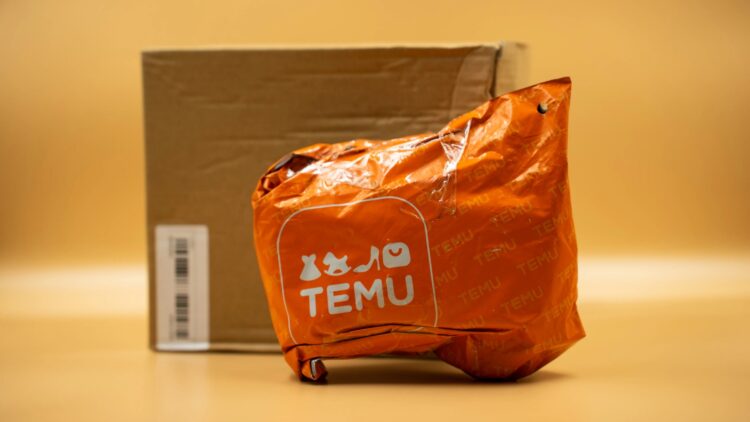
Temu, the trending platform, no longer ships orders from China to the United States. And it’s not a temporary strategy or a dramatic pause, it’s the result of the end of the de minimis rule, the trade policy that allowed products to be imported without paying a single cent in taxes if their value was under $800. You’ve probably heard about this since it’s been all over the news ever since Trump returned to the presidency.
The problem is that once the de minimis rule was removed, these kinds of platforms decided to stop trading in our country because it’s no longer profitable for them. And that not only harms American consumers, but also giants like Meta and Google, which partly relied on this company’s massive advertising spending.
What is the de minimis rule
For years, platforms we call “cheap” (Shein, Aliexpress, Temu and even Amazon) took advantage of this legal loophole through which they didn’t have to pay any taxes to send millions of packages (normally, packages from China didn’t have to pay anything if they didn’t exceed $800). But all that changed on May 2, 2025, when it became official that this advantage was over.
That’s when companies like Temu chose to rebuild their business model from scratch in the USA, stopping shipments from Asia to rely on local sellers instead. Although they claim prices will remain the same, the reality is that many items have become noticeably more expensive…
Temu hits the brakes in the U.S.
Since the announcement, Temu has completely stopped international shipments. It only operates with inventory inside the U.S. The magic of buying something super cheap and receiving it from the other side of the planet is gone. There’s no longer a competitive advantage: prices go up, variety goes down and delivery times are longer. For the consumer, the change is noticeable. And very much so.
The consumer notices (a lot)
Before the change, users noticed prices had doubled. Importation costs rose from 130% to 150%, which doubled the final price of many products. Now, although prices seem more stable, the selection has decreased and delivery times have lengthened, which has caused confusion and loss of interest among shoppers.
What do Google or Meta have to do with this?
A lot. Temu was one of the biggest advertisers on platforms like Facebook, Instagram, YouTube and Google. In 2023 alone, it spent $2 billion on Meta and $3 billion on marketing in general. In April 2025, it represented nearly one in five ads on Google Shopping. One week after the rule ended: it disappeared. The same thing happened to Shein.
Susan Li, Meta’s chief financial officer, didn’t name names, but she did confirm that “certain Chinese e-commerce companies” had drastically cut their investment in the country. And the numbers don’t lie.
In April 2025, Temu represented up to 19% of ads on Google Shopping. A week later: 0%. The same happened with Shein, which also dropped from 20% to 0% in just a few days.
The domino effect
The tariff storm hasn’t just cleared out the ads, but also users’ phones. Temu and Shein’s apps, which used to top the download charts in the U.S., have disappeared from the top 10, reflecting growing distrust among consumers and a radical shift in trend.
President Trump’s executive order has reshaped digital trade with China. It’s not just about protecting American industry. The decision has shaken the entire ecosystem: consumers lose access to cheap products, tech companies lose their best advertising clients, and Chinese platforms are left out of the world’s largest market.