
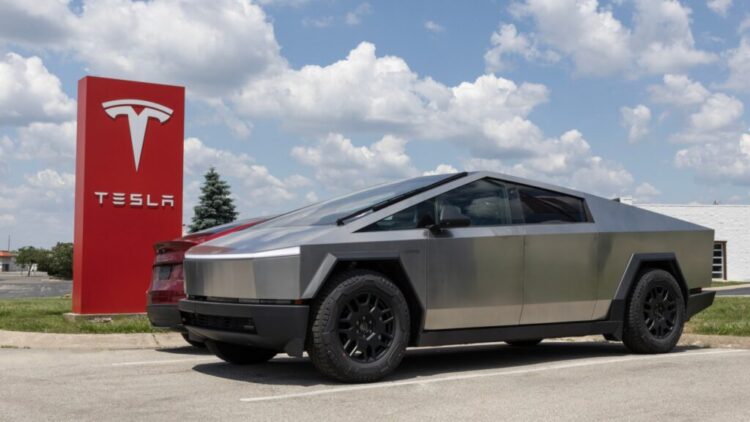
Tesla is going through one of the most intense years in its history… Things are definitely not going according to plan (wonder why?). Musk-led protests, the Robotaxi in Texas that still isn’t working properly, and the government’s cost-cutting plans don’t seem to be helping either (for some reason…). And the global launch of the Cybertruck hasn’t been any better.
Europe has slammed the door in its face, and not because of its autonomous driving system or price… The real reason has to do with road safety and European regulations, and it could keep the Cybertruck off the continent’s roads for a long time. What’s going on?
.@Cybertruck will be touring Europe & the Middle East for the next ~2 months 🇪🇺 🤝 📐
All events & tour stops here → https://t.co/LPyyqzjMdz
Additional dates will be announced throughout the tour 👀 pic.twitter.com/Id2OHlZ026
— Tesla Europe & Middle East (@teslaeurope) April 30, 2024
Cybertruck on the bench
Five stars in US safety tests, but in Europe it’s been labeled a driving hazard for not meeting the basic requirements to circulate normally (and just look at the tests in Austin…).
From the design to the size, to the sharp edges and visibility issues, Tesla’s star model has been deemed dangerous. This blow comes at a very sensitive time for the company, which is also dealing with massive recalls and sales numbers dropping far below expectations… Oh, Tesla…
The problem isn’t the technology, it’s the design
Even though Tesla has led the electric vehicle market for years, European authorities haven’t overlooked several structural issues in the Cybertruck. According to UK regulators, there are five key factors that make it impossible to approve the vehicle for public sale:
- The Cybertruck is too big for European roads. Its weight and size make it a risk, especially in cities with narrower infrastructure than in the US.
- Its futuristic design includes straight lines and sharp edges that can cause serious injuries in an accident, both to pedestrians and other drivers.
- In the event of a crash, the Cybertruck’s structure doesn’t absorb impact well. This endangers not only the driver but also the occupants of other vehicles involved…
- The use of a light bar on the front of the vehicle is causing visibility problems for other drivers, which violates several European traffic regulations.
- Finally, the torque, combined with the vehicle’s mass, creates risks during high-speed maneuvers or sudden braking.
Has no one in the US thought about these problems?
Banned in the UK and out of the rest of Europe
For now, the United Kingdom has completely banned the sale of the Cybertruck, and the rest of the continent seems to be following the same path… Until these structural issues are fixed, Tesla won’t be able to sell its flagship model in Europe.
Musk, your dream of conquering the global market is getting a lot more complicated…
And in the US, things don’t look great either
Europe is closing its doors, but not everything is going smoothly in the US either. The Cybertruck has already faced eight recalls since launch. The most recent one affects over 46,000 units due to a defect in the windshield exterior panels that can come loose while driving… Nothing seems to be helping the situation.
And sales aren’t helping either. In the first quarter of the year, just over 7,000 units were sold, far from the initial target of 250,000 vehicles per year…
An uncertain future for the Cybertruck
Tesla is still a major player in the electric mobility sector, but its ambitious Cybertruck is facing a credibility crisis, so is Musk. Will they redesign the vehicle to meet European standards? Or will it remain a product exclusive to the US market?