
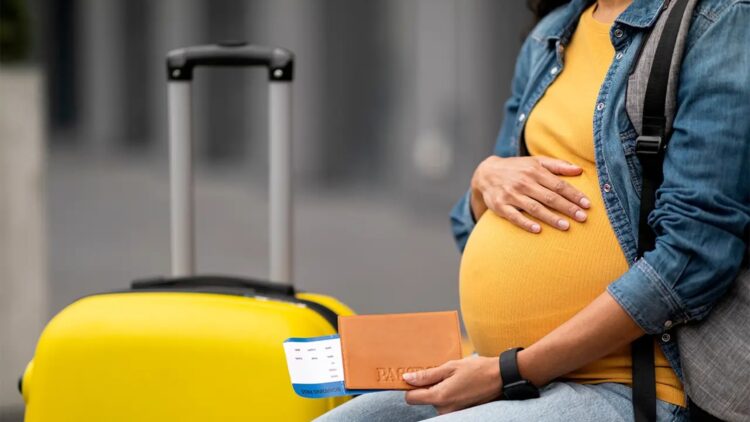
Travelling to the U.S. as a tourist is something that many people do every year, but you need a tourist visa for this. However, the U.S. government has confirmed there are some circumstances in which the visa can be rejected, and one of them is the so-called ‘’birth tourism’’. So, let’s explain a bit more about this, shall we?
‘’Birth tourism’’
This term refers to a specific situation where a pregnant woman travels to another country, in this case the United States, mainly to give birth there. This happens because, according to the American law, any baby born in an American territory automatically gets the American citizenship (no matter the parents’ nationality).
The U.S. government considers that a tourist visa is meant for short visits and not for seeking additional benefits related to a child’s citizenship.
What the U.S. government decided
The Trump Administration recently explained that a tourist visa can be refused if officials think the main reason for the trip is to give birth in the United States so the baby can receive U.S. citizenship. This policy was confirmed by the U.S. Department of State and shared by the U.S. Embassy in India, which clearly said that this practice is “not allowed.”
Is it banned to enter the U.S. while being pregnant?
No, it isn’t. There is no law that says a pregnant woman cannot enter the United States. Simply being pregnant is not a reason to be denied entry. However, the final decision is made by the Customs and Border Protection (CBP) officer when the traveler arrives at the airport or border.
How immigration officers decide
CBP officers evaluate each case individually. For a pregnant woman, they may consider:
- How long she plans to stay in the United States.
- If she has health insurance that covers medical care.
- When the baby is expected to be born.
- If she can afford to pay for any medical expenses.
- Evidence that she plans to return to her home country after the visit.
If the officer believes the visitor might become a burden on the government—for example, requiring medical care without insurance—they can deny entry.
The importance of health insurance
One of the key points we should highlight is health insurance. The U.S. doesn’t want foreign people with no coverage to rely on government-funded medical services.
If a pregnant woman cannot show she has sufficient insurance for expected or unexpected medical care, the officer may refuse entry.
Land borders
What’s more, there are radiation detection portals in points where travelers enter through a land border in a vehicle. We should clarify that:
- These devices do not emit radiation.
- They are safe for pregnant women and unborn babies.
To sum up
For travelers, this simply means being ready to explain their plans. Immigration officers may ask about the reason for the visit, how long the stay will be, whether there is health insurance, and if medical expenses can be covered. These questions are part of the normal process to make sure the visit fits the purpose of a tourist visa and that visitors can take care of their own needs during their stay.
Being informed helps you avoid surprises at the visa application stage or at the border. Knowing these guidelines can help you feel more prepared, understand what to expect, and plan your trip with greater peace of mind.