
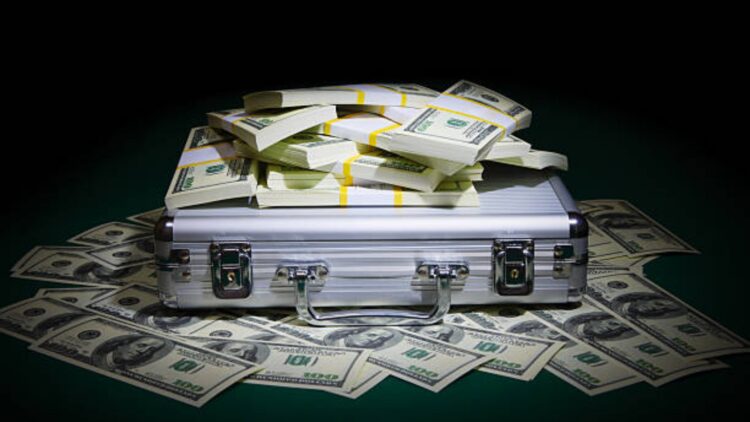
Travelling is synonymous with carrying some small change in your pockets, right? Maybe to take a taxi, to pay for some lunches, or to buy food from vending machines, especially when we travel to a country that doesn’t use the same currency. But, there’s a key fact you might not know: although we’ve gotten used to paying for everything with a card and contactless, you can’t carry more than $10,000 in cash for travel (if you even have that amount of money, for us there’s no problem there…) because they could confiscate the money immediately (and open a financial crimes investigation…)
And this 2025, the U.S. government has strengthened controls at all international airports, and the surveillance applies equally to tourists, residents, and citizens.
How much money can you carry into the U.S.?
Okay, let’s go step by step. The Customs and Border Protection (CBP) office establishes that anyone carrying more than $10,000 in cash or monetary instruments must declare it using the FinCEN Form 105. You can complete it in three ways: online before the flight, in a printed paper form, or directly at the airport with a CBP agent, but you always have to declare it!
What if I don’t declare it?
If you decide to omit declaring the money, customs agents can immediately seize the money and you’ll lose the $10,000, and they don’t even need a court order to do it. Are you laundering money, George? Or evading taxes? Better not, we don’t want to know, we don’t want to be accomplices!
How they detect money at airports
Of course, carrying cash isn’t illegal, but not declaring it is. At airports in the country, the TSA uses X-ray scanners, trained dogs, and other methods to detect large sums of money hidden in suitcases, bags, or even in clothing, so you won’t be able to escape!
And after the seizure?
When the TSA detects undeclared cash, it informs CBP or agencies like the DEA or the airport police, so these authorities are the ones authorized to confiscate the money and open an investigation file.
What if they seize your money?
Surely you’ve seen some episode of “Border Security”, but if they retain your money, you’ll receive a custody receipt, and within 60 days an official seizure letter (NOS), there they’ll explain what you need to do to recover your money.
Important: seek legal help
Don’t try to be a hero, it won’t do any good. Many lawyers recommend not trying to resolve the situation by yourself, so if you find yourself in this situation, get legal coverage, because you could be about to lose all your money.
Why do they seize the money?
As we told you, it’s crucial to declare the total amount you’re traveling with. Agents can hold the money for not declaring the total amount, for splitting it among several passengers to evade the legal threshold (a tactic that seems very logical but, no, they’ll catch you anyway). Declare the money as you should and you’ll avoid penalties, it’s much more convenient, don’t you think?
How can I avoid problems at Customs?
The first tip is basic, declare the money, be transparent, cooperate with the people who are inspecting you and above all, keep the money safe in suitcases that you carry close to your body or wallets with security features, it’s $10,000, not a piece of gum!
And of course, don’t try to get on the wrong side of those inspecting you, it’s their job! (And yours is to declare it, so…)
Airports under the spotlight: where there are more controls
Although all international airports apply these controls, some have an even higher level of surveillance. Among them are:
- Los Angeles Airport (LAX)
- New York JFK Airport
- Miami Airport
- San Diego Airport
- Dallas-Fort Worth Airport
- Atlanta Hartsfield-Jackson Airport
So, if you travel with undeclared money when you leave or enter the U.S., you could face penalties and problems, so be informed and always declare amounts over $10,000!