
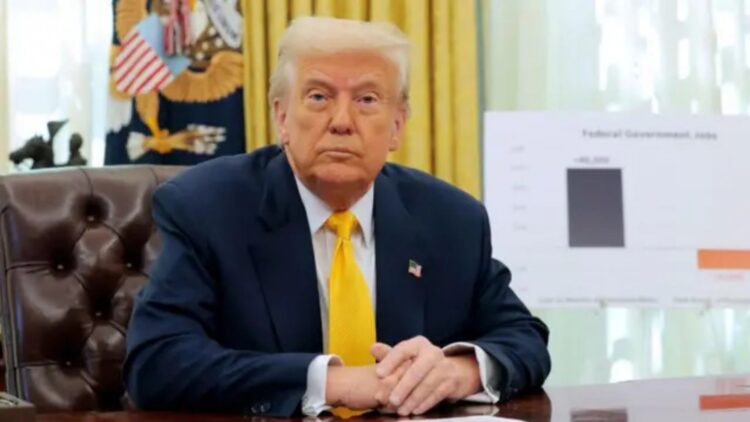
Trump is back in the White House, as you already know, and he’s going to change everything in every way. The changes we’re here to discuss today are economic, specifically, and could directly affect retirees and those who are almost at the end of the workday.
Talking about politics, and especially political changes, turns into complicated discourse and data that we don’t fully understand.
Although nothing is confirmed yet and it’s difficult to predict exactly what measures the Trump administration will approve, his proposals won’t leave anyone indifferent, and we’ll try to explain them to you as simply as we can.
Lower taxes for retirees?
One of the things Trump has made clear is that he wants to continue cutting the taxes he left unfinished in 2017. This means we could continue paying less in taxes for a while longer. For retirees, of course, this is good news, but… what will happen to the taxes on Social Security checks? Well, Trump has briefly mentioned the possibility of eliminating them. This means that if you currently receive Social Security and other payments, the Social Security Administration (SSA) may consider up to 85% of these benefits taxable, meaning they will take a portion of those earnings. Sounds incredible, right? But now let’s think about the problems this could cause.
If Social Security is already struggling financially and stops receiving tax money… it could run out of funds faster than expected. If that happens, they’d have to implement cutbacks in other areas, so we’re not sure that measure would be a good thing in the not-too-distant future.
Social Security money at risk
If you’re wondering if there will still be money for Social Security, Trump has made it clear he won’t touch a single cent, which means payments don’t have to change and will continue to arrive as they are now. But, if we do the math… If everything continues as it is now, the pension pot will end up emptying in the next ten years, and that will cause monthly payments to drop significantly.
No options?
Yes, two options have been proposed. The first, which we won’t like at all, even though it makes sense, is to raise taxes, but Trump isn’t in favour of it. The second is to reduce retirement benefits, change the program, or even raise the retirement age.
What about 401(k) retirement plans?
If you have a 401(k) retirement plan or invest in the stock market, this part is of interest to you. Trump has promised to further reduce corporate taxes, which could cause stocks to rise and, with them, the value of the savings in these plans.
But there are also risks. Trump is known for making strong decisions on trade and imposing rather harsh tariffs (taxes on foreign products). It remains to be seen whether this will translate into inflation and raise the price of basic goods, ultimately affecting the purchasing power of retirees… In short, if the economy is doing well, retirees could see their savings grow. But if there are trade conflicts or problems with inflation, things could get complicated.
And what about Medicare?
Health care remains one of retirees’ biggest concerns. During Biden’s presidency, a law was passed limiting the price of medications (such as insulin, for example, which is necessary for people with diabetes). Trump has criticized this law, of course, and has hinted that he might repeal it, so… some medications could indeed increase in price. Furthermore, he has always been against Obamacare (the healthcare system that provides subsidies to millions of people), so if he tries to dismantle it again, access to certain benefits could become more complicated.
What about immigration?
Trump has threatened mass deportations regardless of whether individuals have stable jobs or play an active role in the U.S. economy. Those who have not regularized their immigration status could face removal under his policies.