
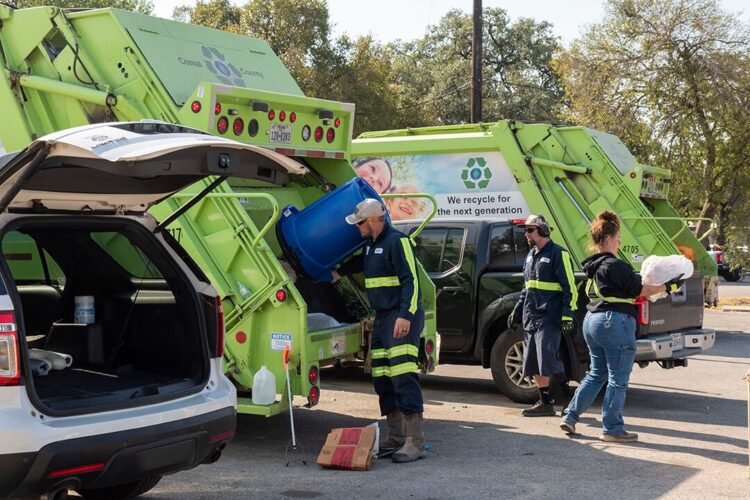
This year 2026 means that several places in the U.S. will have new waste laws. These rules may seem complicated or confusing, especially because they include new tariffs and changes on what can and can’t be recycled. So, to make sure everybody understands these waste laws, and how they affect Comal County in Texas, Hernando County in Florida, and Spokane County in Washington; we are here to help. Let’s get started.
New waste laws in Comal County in Texas
This place has changed its recycle and waste laws, and this started on January 1. These new rules focus on which materials can be taken to the recycling center and which ones will have additional tariffs.
Before, residents could take many types of recyclable materials mixed together to the recycling center. This is called “single-stream recycling” and it included paper, plastics, glass, tins, newspapers, books, and magazines. However, with the new waste law, the center will no longer accept these types of mixed recycling. Instead, they will only allow certain materials, such as:
- Metal.
- Aluminum and metal drink cans.
- Cardboard.
- Appliances.
- Brush (such as branches and vegetation).
- Truck tires.
Then, we also find that certain things will have a cost for throwing them, and this will mostly affect homeowners who tend to have a lot of yard waste. Sure, this is great to control waste, but it’s expensive for many residents. Let’s have a look at the tariffs:
- Truck tires will cost $2.
- A dump truck full of leaves or other vegetation will cost $150.
- A large trailer with leaves or vegetation will cost $45.
- A small trailer with leaves or vegetation will cost $30.
Hernando County, Florida
Hernando County in Florida also has new waste laws and they started on January 1 too. These rules mean a tariff for residents when taking their trash to a convenience center.
The way this tariff works is like this: people living in the east side of the county don’t have trash picked up at their homes. This is why they have to take it to the convenience centers, but with the new waste law, every time they visit one of these centers they must pay a $15 convenience fee.
The fee is paid per visit, so if someone goes several times per month, the expense will increase. What do they use that money for? Well, that fee many residents pay is used for maintaining the centers operating.
Washington and the new waste law
Spokane County, in Washington, also did change its rules on January 1 focusing on certain household appliances. Homeowners will have to pay an extra fee of $30 for throwing household appliances that contain refrigerant. The list of objects include:
- Refrigerators.
- Freezers.
- Air conditioners.
- Water coolers.
- Any device that uses refrigerant.
Refrigerants are chemicals used to cool things, but they can be harmful if not removed safely. County officials explained that collecting these chemicals requires special equipment, time, and proper disposal. This is why the new fee will be added directly to the homeowner’s trash bill.
So…
In Texas, Florida and Washington, the new waste laws are changing the way in which residents throw their waste. Even though these changes may seem complicated, the goal is to find a better way of managing waste, making it safer, even if they bring new costs and rules to follow.
What do you think about these changes? Will they be a positive thing or will they have more negative sides than positive ones? We will see how this continues in the future, and if homeowners in these places will be used to these changes.