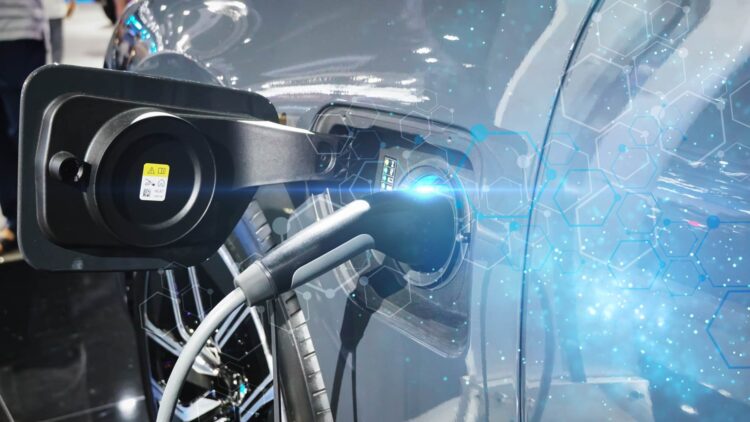
One of the biggest hassles of owning an Electric Vehicles is charging it, especially during long trips or if you do not have your own home charger, but fast chargers available in multiple public spaces made this problem almost redundant. Regrettably they brought a new problem along, faster charging rates can lead to quicker battery degradation.
Studies have consistently shown that higher charging rates speed up battery wear. For example, when charging at 1C (a full charge in 1 hour), a battery might last thousands of cycles before losing 20% of its capacity, but, speed it up to 10C (a full charge in 6 minutes), and cycle life plummets dramatically. Most Electric Vehicles typically charge between 1C and 2.5C, keeping the balance between speed and longevity, but this is not a sustainable rate if you are in a hurry and need a fully charged car.
But, why does fast charging cause degradation in Electric Vehicles?
It comes down to how lithium-ion batteries work. Getting a bit technical, during charging, lithium ions move from the cathode to the anode and slot into graphite particles. If the charge rate is too high, ions can’t “park” fast enough in the graphite and, instead, they build up on the surface, a process called lithium plating. This is bad for three reasons:
- Plated lithium is unusable, reducing capacity.
- The buildup blocks ions from entering the graphite, worsening the problem.
- And, in extreme cases, plating can form sharp structures (dendrites) that pierce the battery’s separator, causing shorts and even fires.
There are many factors that can increase lithium plating and worsen your battery life. The most important one is waiting until your battery is nearly empty. A nearly empty battery has plenty of “parking spots” for lithium ions, which make fast charging safer. By the same token, higher charging rates send more ions at once, increasing the chance of plating, so strike a balance between needing to charge fast and being mindful of your battery life. And lastly, warm batteries handle fast charging better because ions move more efficiently. Cold batteries, however, slow down the process, leading to more plating, so consider charging your car immediately after using it to avoid the risk as long as it was not a really hot day (in which case you risk overheating the battery and causing even more issues).
Modern Electric Vehicles have already pinpointed this problem and manufacturers have implemented a few solutions, known as smart systems to try to avoid most of the damage. One of the most common measures is that now Electric Vehicles slow down charging as the battery fills up, minimizing the stress of the battery when there are fewer “parking spots” for lithium ions. Still, there is no perfect fix. Even with smart systems, frequent fast charging will wear a battery faster than slow, steady charging.
Should this be a real concern for Electric Vehicle drivers?
The easy answer is probably not. Lithium Iron Phosphate batteries can handle frequent fast charging better than Nickel Manganese Cobalt batteries if that is truly a concern, but the reality is that most people will not notice the difference between fast and slow charging as they do a good mix between the two.
Having said that, choose the battery that better suits your Electric Vehicle needs, but do take into account the fact that all batteries are able to take some amount of fast charging under non ideal circumstances with little to no issues. So, use the slow charging stations when you can, and the fast charging stations when you need, and, if you take some precautions (like not charging cold or not letting your batteries overheat) you should have no issues with the longevity of your battery.